

Total stablecoin holdings on exchanges slid to $64 billion, with Binance capturing a larger share of what remains.
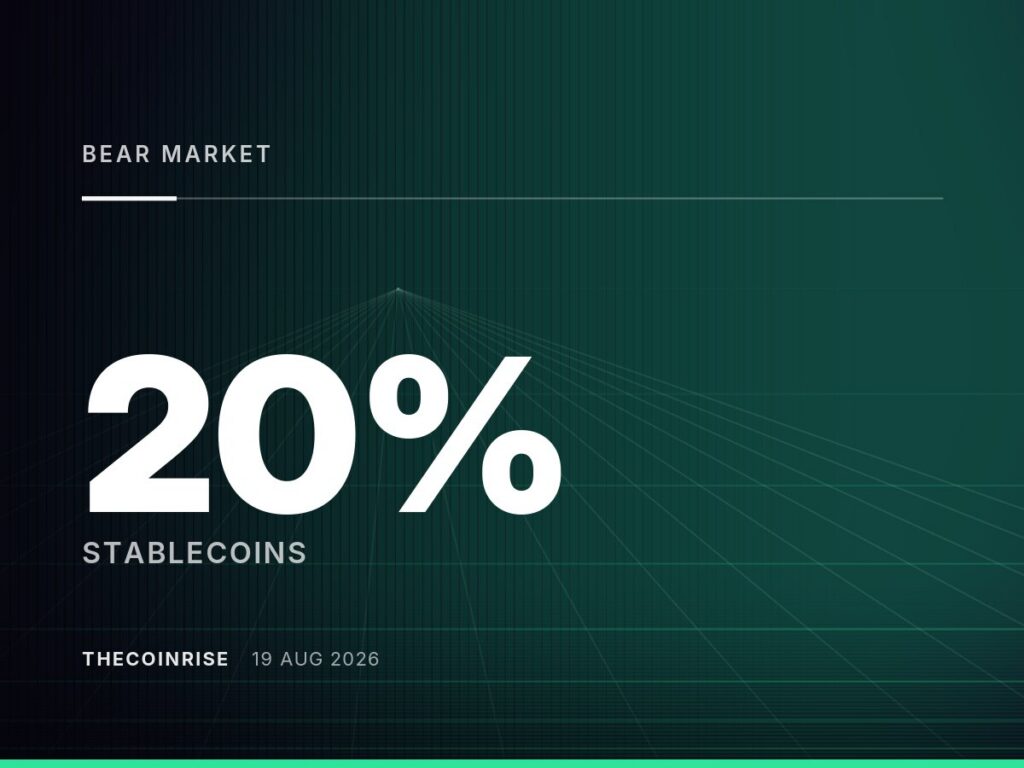
Stablecoin reserves sitting on cryptocurrency exchanges have fallen sharply, dropping 20% to reach approximately $64 billion. The decline was reported by BeInCrypto and CryptoBriefing, both pointing to a bear market environment as the primary driver behind the liquidity drain.
Stablecoins such as Tether's USDT and Circle's USDC serve as the main trading pairs and settlement tools across most exchanges. When their reserves shrink, it typically signals that traders are moving funds off platforms rather than keeping capital ready for immediate deployment. A 20% drop of this size represents a meaningful reduction in the dry powder available for buying activity.
CryptoBriefing noted that Binance's share of the remaining stablecoin liquidity has increased even as the total pool has contracted. That suggests the outflows have not been evenly distributed across exchanges. Some platforms appear to be losing reserves faster than others, concentrating a larger portion of what remains on the largest exchange by trading volume.
Exchange stablecoin balances are widely watched as a proxy for buying power in the crypto market. Analysts often treat rising reserves as a sign that traders are positioning for purchases, while falling reserves can indicate reduced appetite for risk or capital moving into cold storage, DeFi protocols, or off-exchange custody. The current drop fits a pattern seen in past downturns, when sustained price weakness discourages active trading and prompts withdrawals.
The bear market backdrop cited by both outlets aligns with broader market conditions that have weighed on crypto asset prices in recent months. Lower prices and reduced volatility tend to shrink trading volumes, which in turn reduces the need for exchanges to hold large stablecoin balances for settlement purposes.
Neither source detailed the specific exchanges losing reserves fastest, aside from noting Binance's growing relative share. It also remains unclear whether the shift reflects genuine capital flight from crypto markets or simply a reallocation toward self-custody and decentralized platforms during a period of subdued trading.
Market Impact
A sustained reduction in exchange stablecoin reserves can limit the market's capacity to absorb sudden buying pressure, since less capital sits ready on trading platforms. If the trend continues, it could contribute to thinner order books and potentially sharper price swings during periods of renewed volatility.
Binance's rising share of a shrinking liquidity pool also concentrates market influence further, which traders and analysts may watch closely. A more consolidated stablecoin base could affect price discovery and trading conditions across smaller exchanges that depend on shared liquidity.
The drop in exchange stablecoin reserves underscores how bear market conditions can reshape liquidity across the crypto trading landscape. Whether this represents a temporary pullback or a longer-term shift toward off-exchange custody remains to be seen as market data continues to develop.
Frequently Asked Questions
What does a drop in exchange stablecoin reserves mean?
It generally indicates traders are withdrawing stablecoins from exchanges, reducing the capital readily available for buying crypto assets on those platforms.
How much have stablecoin reserves fallen?
Reported data shows a 20% decline, bringing total exchange stablecoin liquidity to roughly $64 billion, according to BeInCrypto and CryptoBriefing.
Why has Binance's share of stablecoin liquidity increased?
CryptoBriefing reported that Binance's portion of remaining stablecoin reserves grew even as the overall pool shrank, suggesting outflows were uneven across exchanges.
Is this decline linked to the broader crypto market downturn?
Both sources attribute the reserve decline to bear market conditions, which have reduced trading activity and prompted withdrawals from exchange platforms.