

Authorities say counterfeit or altered hardware wallets allowed scammers to siphon funds from unsuspecting buyers.
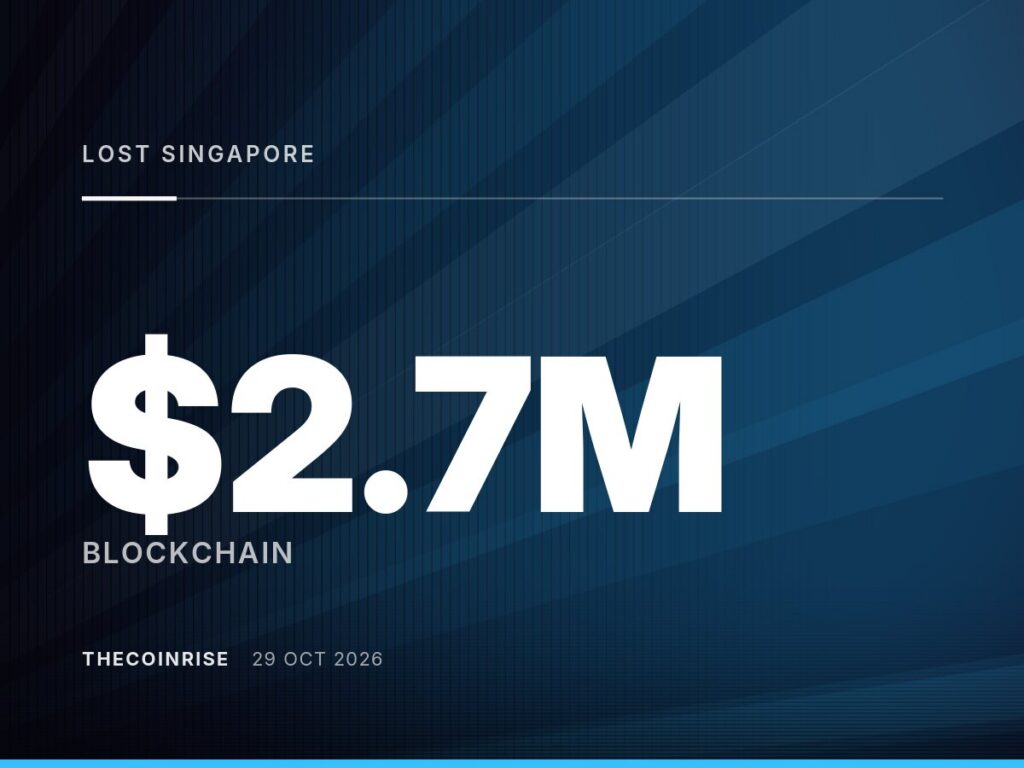
Singapore Police have disclosed that tampered Ledger hardware wallets cost local crypto users an estimated $2.7 million. Fintech News Singapore reported the same case with a figure of S$3.5 million, reflecting the local currency denomination of the loss. Both figures describe the same underlying incident rather than conflicting totals.
Hardware wallets like Ledger are marketed as among the safest ways to store cryptocurrency offline. They keep private keys isolated from internet-connected devices, reducing exposure to remote hacking. That reputation makes tampering cases especially damaging, since users often believe hardware wallets are immune to the kind of fraud common on exchanges or software wallets.
Police did not detail the exact method used in this case, but tampering schemes typically exploit the setup process. In many reported scams, attackers sell devices through unofficial channels with the recovery phrase already generated and known to the seller. Once a victim funds the wallet, believing it is new and secure, the attacker uses the pre-set seed phrase to drain the assets remotely.
Other variants involve physically altering hardware before resale, or shipping counterfeit devices that mimic Ledger's packaging and branding. Victims often only realize the compromise after funds have already disappeared, since the wallet otherwise appears to function normally during initial use.
Singapore has positioned itself as a major hub for digital asset activity in Asia, with regulators actively monitoring crypto-related fraud. The Monetary Authority of Singapore has issued repeated warnings about scams targeting retail investors. This latest case adds to a growing list of incidents involving supply chain vulnerabilities rather than software exploits.
Ledger, the French hardware wallet manufacturer, has previously urged customers to purchase devices only through its official website or verified authorized resellers. The company has also warned against buying wallets through secondhand marketplaces or unofficial online listings, where tampering risks are harder to detect before purchase.
The reported losses highlight a persistent challenge in crypto security. Even with industry-leading hardware protections, the human element of distribution and purchase remains a weak point. Scammers increasingly target that link rather than attempting to break cryptographic safeguards directly.
Singapore authorities are expected to continue investigating the full scope of the case. It remains unclear how many individual victims were affected or how long the tampered devices circulated before detection. Police have not indicated whether arrests have been made in connection with the scheme.
Market Impact
The case is unlikely to move broader crypto markets, but it may renew scrutiny of hardware wallet supply chains across Asia. Retail investors who rely on devices like Ledger for cold storage could face increased pressure to verify purchase channels before use.
For the hardware wallet industry, incidents like this can affect consumer trust even when the manufacturer's own security design is not at fault. Companies may respond with stronger anti-tampering packaging, verification tools, or public awareness campaigns aimed at discouraging secondhand or unofficial purchases.
The reported losses serve as a reminder that cold storage security depends not only on device design but also on how and where that device is purchased.
Frequently Asked Questions
What happened in the Singapore Ledger wallet case?
Singapore Police reported that tampered Ledger hardware wallets led to combined losses estimated at $2.7 million, equivalent to roughly S$3.5 million, according to local reporting.
How do tampered hardware wallets typically steal funds?
In common schemes, attackers sell devices with a pre-generated recovery phrase already known to them, allowing funds to be drained once a victim deposits assets into the wallet.
Is Ledger's own security technology responsible for the losses?
Authorities have not indicated a flaw in Ledger's core hardware or software. The issue reported involves tampering during distribution or resale, not a direct breach of the device's design.
How can buyers avoid purchasing a tampered hardware wallet?
Security guidance generally recommends buying hardware wallets only from the manufacturer's official website or authorized resellers, and avoiding secondhand or unofficial marketplace listings.