

The South Korean electronics giant is reportedly planning its largest-ever capital return as demand for AI-related memory chips lifts earnings.
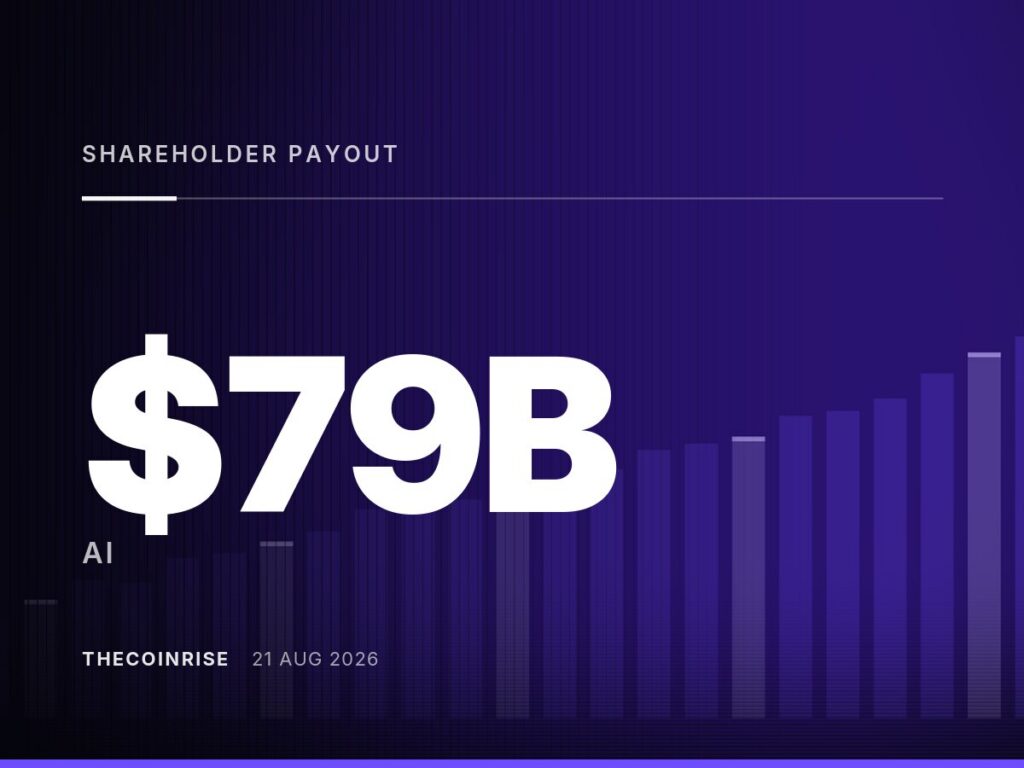
Samsung Electronics is reportedly planning to return up to $79 billion to shareholders, according to a report published by CryptoBriefing. The figure, if confirmed, would represent the largest shareholder distribution in the company's history. The plan is said to reflect a sharp increase in profits tied to artificial intelligence chip demand.
Samsung is one of the world's largest producers of memory chips, including high-bandwidth memory used to power AI data centers and machine learning workloads. As AI infrastructure spending has accelerated globally, demand for these specialized memory products has climbed, lifting revenue for major chipmakers. Samsung's semiconductor division has historically been a key profit driver for the broader conglomerate, and swings in memory chip pricing tend to have an outsized effect on its bottom line.
The memory chip industry experienced a significant downturn in 2022 and 2023, as oversupply and weak demand from consumer electronics pushed prices lower. Manufacturers including Samsung responded by cutting production and reducing capital spending. The reported profit surge tied to AI chip demand suggests that cycle has reversed, with data center buildouts now driving a new wave of orders.
Capital returns of this scale are notable for a company the size of Samsung, which has traditionally balanced dividends and buybacks against heavy reinvestment in chip fabrication capacity. Semiconductor manufacturing requires continuous capital expenditure to keep pace with rivals such as SK Hynix and Taiwan's TSMC, both of which have also expanded AI-related memory and logic chip production in recent years.
The scale of the reported distribution points to confidence in near-term earnings visibility, since large buyback and dividend commitments typically signal that management expects sustained cash flow. Shareholder returns of this magnitude can also serve to reassure investors following periods of earnings volatility in the semiconductor sector.
Details on the exact mix of dividends versus share buybacks, and the timeline for the distribution, were not specified in the reporting. The report also did not detail which specific product lines or customer contracts are driving the profit increase, though high-bandwidth memory sales tied to AI accelerator chips have been widely cited across the semiconductor industry as a growth driver in 2025 and 2026. Samsung competes directly with SK Hynix for supply contracts tied to major AI chip designers, and gains in that market have been closely watched by analysts tracking the broader AI infrastructure buildout.
The reported plan comes amid a broader reassessment of memory chip valuations, as investors weigh how long elevated AI-driven demand can persist against historical patterns of semiconductor boom-and-bust cycles. Samsung's decision to commit to a large shareholder return, rather than solely reinvesting profits into new capacity, may be read by markets as a signal about the company's own expectations for the durability of current demand levels.
Market Impact
A capital return of this size, if confirmed, would likely be viewed positively by Samsung shareholders and could influence sentiment toward memory chip stocks more broadly. Investors often treat large buyback and dividend announcements as evidence that a company expects stable or growing cash generation, which could extend positive sentiment toward AI-linked semiconductor names.
The report also carries broader significance for markets tracking AI infrastructure spending, since memory chip demand is a downstream indicator of data center and AI accelerator buildout activity. A profit surge at a manufacturer as large as Samsung would suggest continued strength in that spending trend, a factor closely watched by investors in both traditional equity and technology-adjacent markets, including crypto-mining hardware and AI-linked digital asset projects that depend on similar supply chains.
As reporting develops, further detail on the structure and timing of Samsung's shareholder return is expected to clarify how the company plans to balance payouts against continued investment in AI chip capacity.
Frequently Asked Questions
What is Samsung reportedly planning to do?
According to a report from CryptoBriefing, Samsung Electronics is preparing to return up to $79 billion to shareholders, which would be its largest such distribution on record.
Why is Samsung's profit reportedly surging?
The reported increase is tied to rising demand for AI-related memory chips, including high-bandwidth memory used in data centers and AI computing infrastructure.
Has Samsung confirmed the exact form of the shareholder return?
The reporting does not specify the precise mix of dividends and share buybacks or the timeline for the distribution.
How does this relate to the broader semiconductor market?
The memory chip industry went through a significant downturn in 2022 and 2023, and the reported profit surge suggests renewed strength driven by AI infrastructure demand across the sector.