

The e-commerce giant raised the funds to expand its artificial intelligence investments, but investors reacted with a sharp sell-off.
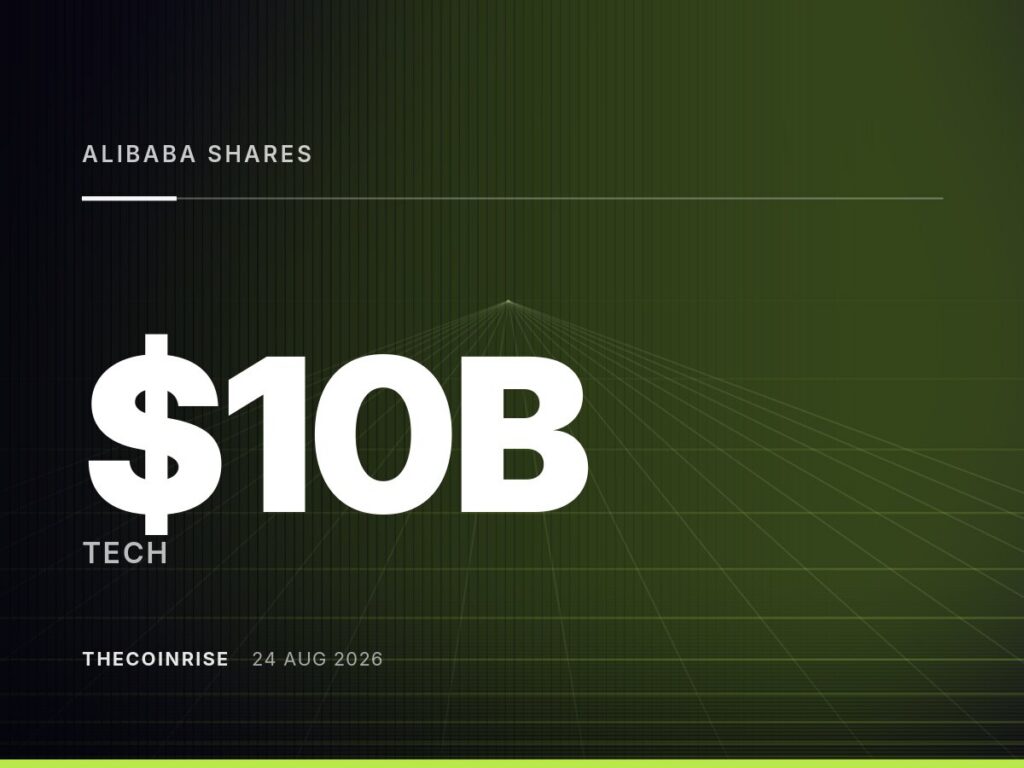
Alibaba's stock declined 8% after the company completed a $10 billion share sale in Hong Kong, according to CryptoBriefing. Yahoo Finance reported that the funds raised are earmarked for the company's artificial intelligence initiatives.
The sale marks one of the largest equity raises by a Chinese technology firm in recent memory. Alibaba has positioned AI as a central pillar of its long-term growth strategy, competing with domestic rivals and global players racing to build out compute infrastructure.
Share sales of this size typically dilute existing shareholders by increasing the total number of outstanding shares. That dilution can pressure per-share earnings even when the underlying business outlook remains unchanged. The 8% drop suggests markets weighed this dilution effect heavily against the strategic rationale for the raise.
Alibaba operates in a capital-intensive environment where AI infrastructure, including data centers and specialized chips, requires substantial upfront investment. Raising equity capital in Hong Kong allows the company to fund these commitments without adding debt to its balance sheet. That approach can be viewed favorably over the long term, even if it unsettles investors in the short term.
The timing of the raise places Alibaba alongside other major technology firms that have accelerated AI spending over the past two years. Investors globally have shown mixed reactions to large capital raises tied to AI, sometimes rewarding companies for aggressive investment and other times punishing near-term dilution and cash burn.
Hong Kong's equity market has served as a key venue for Chinese companies seeking access to international capital, particularly as some firms face constraints in mainland or U.S. listings. A raise of this scale reflects continued investor appetite for exposure to Chinese technology firms with AI ambitions, even as the stock reaction shows that appetite comes with scrutiny.
Analysts and shareholders will likely watch upcoming earnings reports closely. Those reports should clarify how the newly raised capital is deployed and whether AI-related investments begin translating into measurable revenue or efficiency gains.
Market Impact
The immediate market reaction, an 8% share price decline, reflects investor concern over dilution rather than doubt about Alibaba's AI strategy itself. Large capital raises often trigger short-term selling pressure as existing shareholders adjust to a larger share count, even when the underlying business rationale is sound.
Broader implications extend to how markets price AI-related capital expenditure across the technology sector. If Alibaba's experience mirrors patterns seen at other firms making similar bets, near-term stock volatility around AI spending announcements may become more common as companies compete for compute capacity and infrastructure.
Alibaba's $10 billion raise underscores the scale of capital now flowing into AI infrastructure among major technology firms. The stock's decline highlights the tension investors face between funding long-term growth and absorbing short-term dilution.
Frequently Asked Questions
Why did Alibaba shares fall after the share sale?
The 8% decline is consistent with investor concern over dilution, since issuing new shares increases the total share count and can reduce per-share earnings in the near term.
What will Alibaba use the $10 billion for?
According to Yahoo Finance, the proceeds are intended to support Alibaba's investments in artificial intelligence infrastructure and related initiatives.
Where did Alibaba conduct the share sale?
The share sale took place in Hong Kong, a market Chinese companies frequently use to raise international capital.
Does the stock drop indicate long-term problems for Alibaba?
The reported facts show only a short-term price reaction to the raise. Longer-term performance will depend on how effectively the AI investments generate returns.