

Spot fund flows surged as institutional buyers returned and crypto prices climbed sharply.
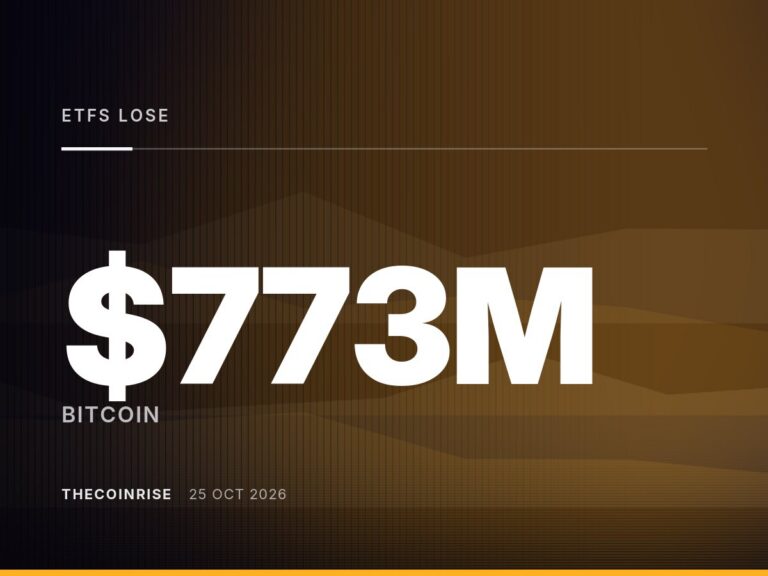
Spot Bitcoin and Ethereum exchange-traded funds pulled in their largest weekly inflows in ten months, according to reports from CryptoPotato and CryptoSlate. Both outlets described the week as the strongest of 2026 for these products, tying the surge to a broader rally in crypto prices.
The inflow spike marks a notable shift after months of comparatively muted demand for spot crypto ETFs. These funds, which let institutional and retail investors gain exposure to Bitcoin and Ethereum without holding the underlying tokens directly, have become a key barometer of mainstream appetite for digital assets.
When inflows rise sharply, it typically signals that large investors are adding exposure through regulated, custody-backed vehicles rather than direct token purchases. That distinction matters for market structure. ETF flows are visible, reported daily, and easier to track than on-chain or exchange activity, giving analysts a cleaner read on institutional sentiment.
The timing lines up with the price gains reported across crypto markets during the same week. CryptoSlate described the rally as a sharp upward move that accompanied the fund inflows, though it did not specify exact price levels or percentage gains tied to the ETF data. The overlap between rising prices and rising ETF demand often reinforces itself, as gains attract further capital and vice versa.
Bitcoin and Ethereum ETFs have been closely watched since their respective launches, with cumulative flows serving as a proxy for how comfortable institutions feel with crypto as an asset class. A ten-month high in weekly inflows suggests that comfort level has meaningfully improved, at least for the period covered by the reports.
Neither source detailed the specific dollar figures behind the ten-month high, nor did they break down the split between Bitcoin-focused and Ethereum-focused products. It also remains unclear whether the inflow surge was concentrated in a handful of large funds or spread more evenly across issuers. Those details would typically help clarify whether the demand reflects a broad institutional shift or the actions of a smaller number of large allocators.
The renewed inflows arrive against a backdrop of ongoing debate about crypto market structure and regulatory clarity in the United States and elsewhere. ETFs have often been cited as a bridge between traditional finance and digital assets, since they operate within existing securities frameworks and custody rules familiar to institutional compliance teams.
Market Impact
Sustained ETF inflows can influence spot market liquidity, since fund issuers typically need to acquire underlying Bitcoin or Ethereum to back new shares. A ten-month high in weekly inflows, if maintained, could add incremental buying pressure to both assets over coming weeks. It may also encourage other asset managers to expand or launch competing crypto ETF products.
At the same time, a single strong week does not establish a trend on its own. Traders and analysts will likely watch subsequent weekly flow data to see whether the surge persists or proves temporary, particularly given how closely ETF demand has tracked short-term price momentum in the past.
The inflow surge offers a concrete signal that institutional interest in regulated crypto products has picked up, even as key details about its scale and composition remain to be clarified in coming reports.
Frequently Asked Questions
What does a 10-month high in ETF inflows mean?
It means weekly net inflows into spot Bitcoin and Ethereum ETFs were higher than in any week over the previous ten months, based on the reported data.
Why do ETF inflows matter for Bitcoin and Ethereum prices?
ETF issuers generally buy underlying tokens to back new shares, so strong inflows can add buying demand in spot markets alongside price movements.
Does this confirm a long-term trend of rising institutional demand?
Not on its own. The reports cover one strong week, and further weekly data would be needed to confirm whether the increase in demand continues.
Were specific inflow figures disclosed?
The reports referenced described the week as the largest for 2026 and a ten-month high but did not break down exact dollar amounts or fund-by-fund figures.