

Reports of a multibillion-dollar security breach at Binance sent bitcoin tumbling, though price levels and recovery details vary across sources.
Bitcoin’s price came under pressure on October 30 following reports of a major security incident at Binance, one of the world’s largest cryptocurrency exchanges. Multiple outlets described the breach as involving roughly $6.3 billion, though the precise figures and timing of the reported event remain unclear across different accounts.
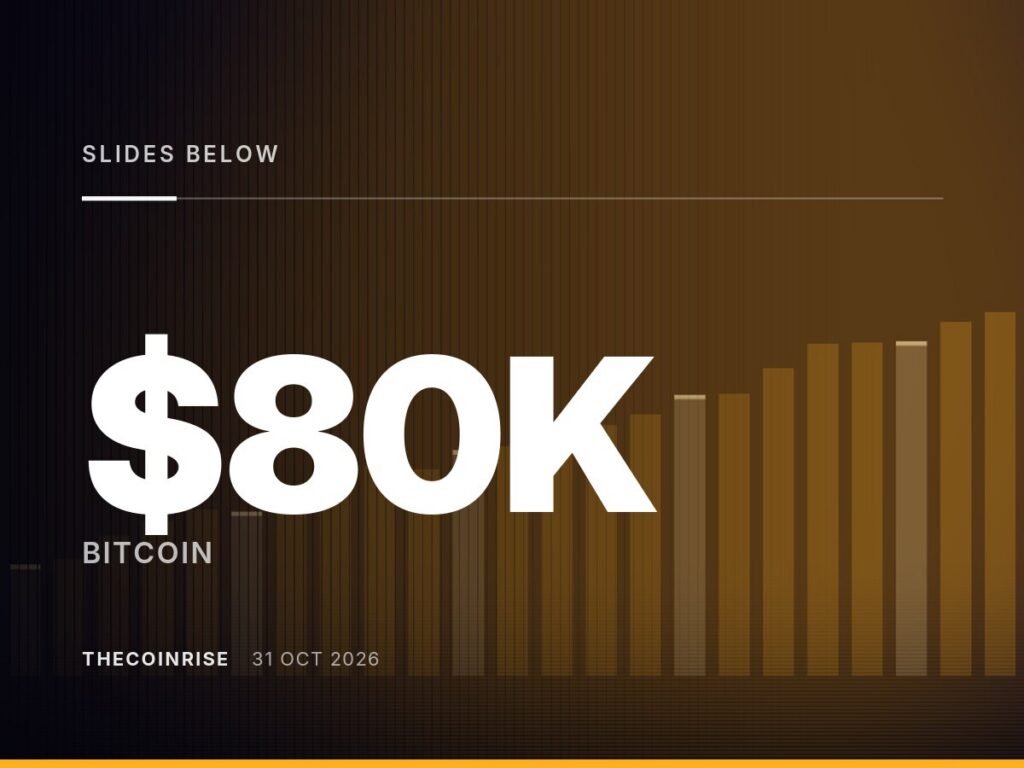
Accounts of the price impact also diverge. Bitcoinist reported bitcoin falling below $80,000 shortly after the news broke. Later reports from Nairametrics and crypto.news described bitcoin trading below $77,000, suggesting the decline deepened as the day progressed. Bitcoin.com News, meanwhile, reported a rebound above $77,000 even as traders stayed cautious about further fallout.
The mixed price reports reflect how quickly conditions shifted during a volatile trading session. Large-scale hack reports tied to major exchanges tend to trigger rapid, uneven price swings as traders react to incomplete information. Discrepancies between outlets on exact dollar thresholds are not unusual in these early hours, when official confirmation from the exchange itself may still be pending.
Binance occupies a central position in global crypto market structure, handling a significant share of daily trading volume and serving as a custodian for assets belonging to millions of users. Any suggestion of a breach at that scale raises immediate questions about exchange security practices, cold storage protocols, and the broader resilience of centralized trading venues.
Cointribune’s reporting framed the session as an attempted recovery, noting that bitcoin tried to claw back losses even as uncertainty around the Binance situation persisted. This pattern, sharp initial drop followed by a partial rebound, is consistent with markets digesting a shock headline before settling as more details emerge.
The episode arrives at a moment when crypto markets are already sensitive to custody and security concerns following a string of past exchange incidents industrywide. Traders and institutional participants tend to treat any hack report involving a major platform as a signal to reduce exposure until the facts are clarified. Whether this event marks a lasting shift in sentiment or a short-term disruption will depend on further confirmation from Binance and independent verification of the loss figures.
Sources disagree on this story
This article was published before the reports below were compared. The reporting above stands; what follows is where the published accounts do not agree.
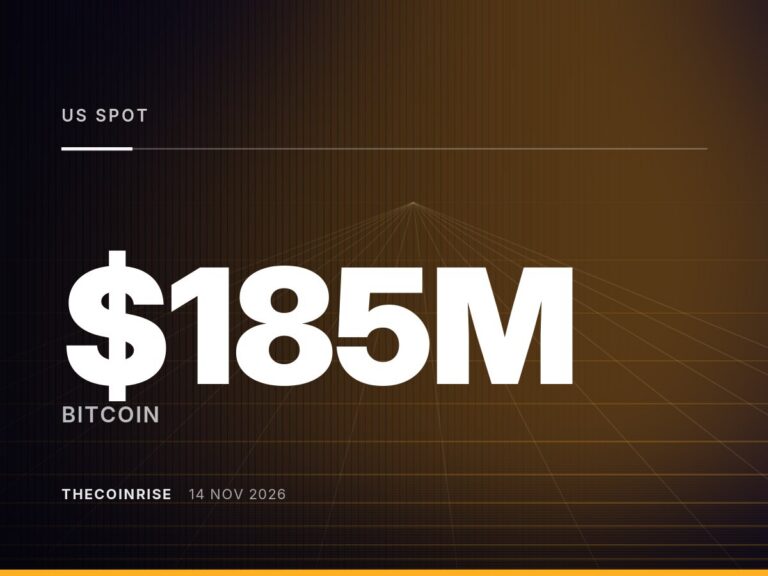
Bitcoinist and CoinTurk News EN give opposite accounts of US spot Bitcoin ETF flows on the day of the Binance hack sell-off.
What all sources agree on
- Binance disclosed a security breach estimated at approximately $6.3 billion.
- The breach triggered a marketwide crypto sell-off and widespread liquidations of leveraged positions.
- Binance's preliminary investigation pointed to a compromised DevOps engineer's laptop and unauthorized withdrawal transactions.
- Partners and blockchain analysis firms helped freeze approximately $3 billion of the stolen assets.
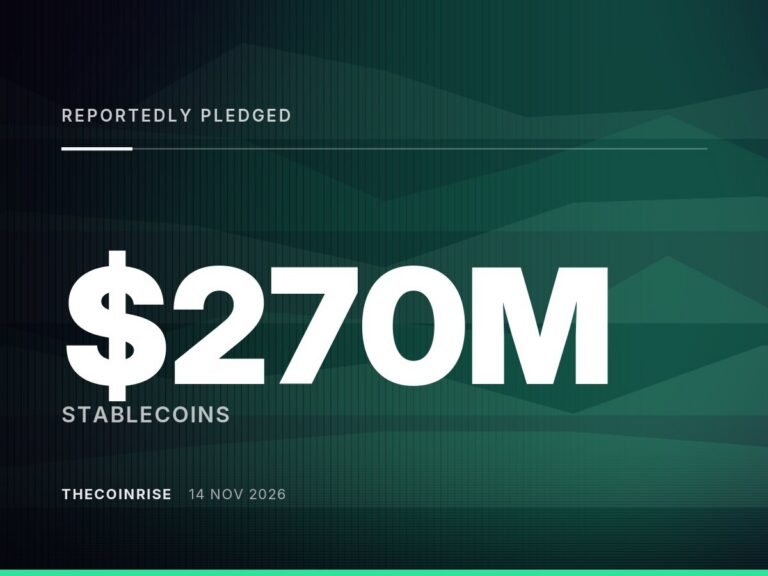
- Binance pledged to cover losses using its SAFU fund and company resources.
- Bitcoin fell toward the mid-$76,000s to high-$70,000s range during the October 30 sell-off.
Where the reports disagree
1Direction of US spot Bitcoin ETF flows around the Binance hack
US spot Bitcoin ETFs attracted fresh inflows, while $80,188 emerged as an immediate resistance level for BTC.
US spot Bitcoin ETFs saw net withdrawals of $643.33 million on October 30, led by large-scale redemptions from BlackRock and Fidelity's funds, following four sessions of inflows.
What would settle it: SoSoValue's published daily net flow data for US spot Bitcoin ETFs for October 30.
2Total 24-hour crypto liquidation figure
Total liquidations reached $1.54 billion, including around $1.3 billion in long positions.
Across the broader crypto market, liquidations hit $1.66 billion, led by $1.45 billion in long position wipeouts.
Liquidations reached 1.56 billion dollars in 24 hours ;
According to data from Coinglass, approximately $1.3 billion worth of bullish cryptocurrency positions were liquidated over a 24-hour period, reflecting the pressure on traders betting on further price increases.
What would settle it: Coinglass's own 24-hour liquidation dataset for October 29-30.
3Lowest Bitcoin price reached during the sell-off
The cryptocurrency had briefly slipped below $77,000 before recovering some ground.
Binance market data placed Bitcoin at $76,944 shortly after midnight UTC before it recovered toward $78,000 later in the session.
Bitcoin fell to $76,320 after Binance disclosed a $6.3 billion hack, triggering widespread panic.
The cryptocurrency declined by as much as 3.1% to $76,300, while Binance's BNB token fell about 5% over 24 hours to around $700.
What would settle it: A single exchange's (e.g. Binance or Bitstamp) tick-level price data for October 30.
What to make of it
Treat the existence and rough scale of the $6.3B Binance hack and the resulting sell-off as established; do not treat any single figure for ETF flows, liquidation totals, or Bitcoin's exact low as settled until SoSoValue, Coinglass, or exchange-level price data are checked directly.
Market Impact
A reported breach of this scale at a major exchange like Binance typically triggers immediate risk-off behavior across crypto markets, not just in bitcoin. Traders often reduce leverage and move funds to cold storage or alternative venues until the scope of any incident is clarified, which can amplify short-term volatility.
The divergence in reported price levels, some citing drops below $80,000 and others below $77,000, underscores how fast-moving and fragmented information can be during a developing security story. Until Binance issues an official statement and the loss figures are verified, markets are likely to remain jumpy, with both further downside and partial recovery attempts possible.
As details around the reported Binance breach continue to surface, traders will be watching for official confirmation and clearer price data before drawing firmer conclusions about the market's trajectory.
Frequently Asked Questions
What exactly happened at Binance?
Multiple reports describe a security breach at Binance involving an estimated $6.3 billion, though exact details have not been uniformly confirmed across sources.
Why do reports disagree on bitcoin's exact price level?
Price reports were published at different times throughout the day, capturing bitcoin at various points as it moved between roughly $77,000 and $80,000 amid volatile trading.
Has Binance confirmed the hack?
The available reporting does not indicate an official confirmation from Binance itself, and the scale and specifics of the incident remain unverified by the exchange.
How are traders responding to the news?
Reports indicate traders remain cautious, with some evidence of bitcoin attempting a partial price recovery even as uncertainty about the breach persists.





Read More
All News
November 14, 2026
Binance PoR Snapshot: 44 or 198 Cryptocurrencies Covered?

November 14, 2026