

The fund's latest inflows underscore continued institutional demand for spot Bitcoin exposure through regulated vehicles.
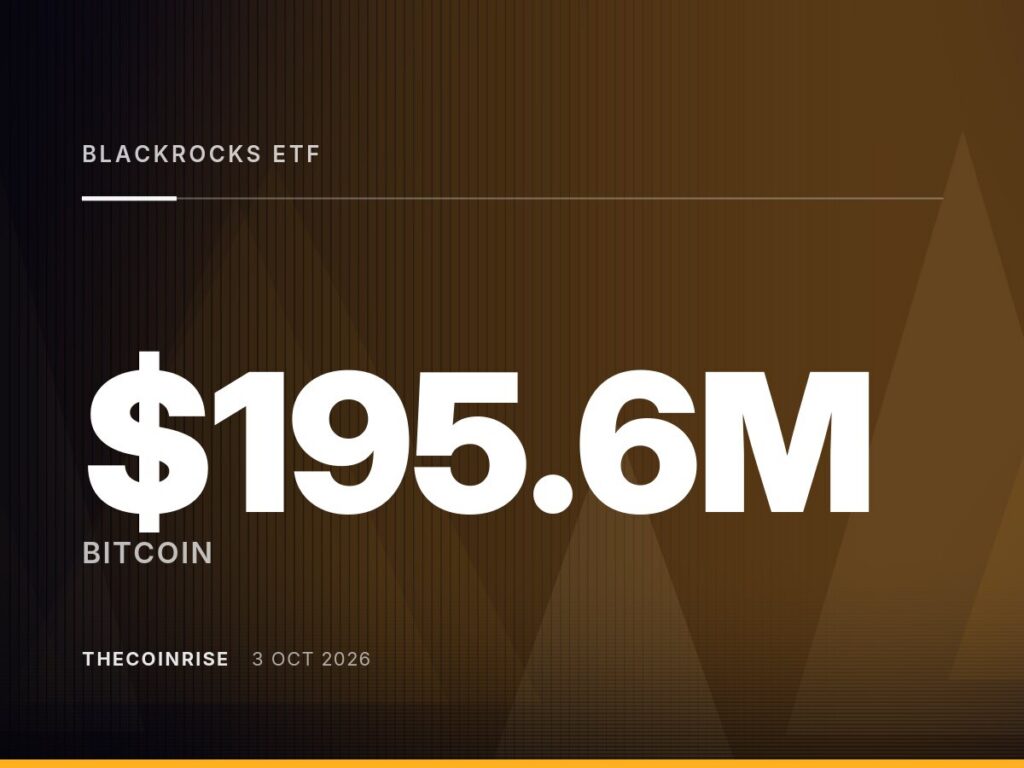
BlackRock's spot Bitcoin exchange-traded fund, IBIT, added $195.6 million worth of Bitcoin in a single trading day, CryptoBriefing reported. The report also noted that the fund's Bitcoin holdings have grown by $1.57 billion over the past month.
IBIT has become one of the largest vehicles for institutional and retail investors seeking regulated exposure to Bitcoin. Since its launch, the fund has drawn significant capital from investors who prefer not to hold the asset directly. Instead, they gain exposure through a traditional brokerage account.
Daily purchase figures for spot Bitcoin ETFs are often used as a proxy for institutional sentiment. A single day of inflows does not establish a trend on its own. A sustained monthly total, such as the $1.57 billion reported, can offer a clearer picture of demand over time.
Spot Bitcoin ETFs operate by purchasing actual Bitcoin to back newly created shares. When investors buy shares faster than they sell them, the fund must acquire more Bitcoin to match that demand. This mechanism ties ETF inflows directly to underlying market purchases, distinguishing these products from derivatives-based funds.
BlackRock, the world's largest asset manager, entered the Bitcoin ETF market after the U.S. Securities and Exchange Commission approved a wave of spot Bitcoin products in January 2024. IBIT quickly became one of the most actively traded funds in that category. Its growth has been closely watched as a signal of how traditional finance is integrating digital assets.
The figures reported by CryptoBriefing have not yet been independently verified by additional outlets at the time of publication. Readers should treat the specific dollar amounts as provisional pending further confirmation. The broader pattern of institutional inflows into spot Bitcoin ETFs, however, has been a consistent feature of the market since early 2024.
Market participants often track these flows through on-chain data and fund disclosures. BlackRock typically discloses holdings changes through regulatory filings and daily fund updates. Analysts use this data to gauge whether institutional demand for Bitcoin is accelerating or slowing relative to prior periods.
Market Impact
Sustained inflows into IBIT can influence Bitcoin's available supply on exchanges, since the fund must acquire and custody actual coins to back new shares. Large single-day purchases, if repeated, may tighten available liquidity in spot markets, though the scale of any single day's buying is small relative to total daily Bitcoin trading volume.
For the broader ETF industry, continued inflows into IBIT reinforce BlackRock's position as a dominant player in crypto-linked investment products. This can encourage other asset managers to expand their own digital asset offerings. It may also shape how regulators and institutional investors view the maturity of Bitcoin as an asset class within traditional portfolios.
The reported inflows highlight ongoing institutional interest in Bitcoin through regulated fund structures. As with any single report, the specific figures warrant continued monitoring as additional data and disclosures become available.
Frequently Asked Questions
What is IBIT?
IBIT is the iShares Bitcoin Trust, a spot Bitcoin exchange-traded fund managed by BlackRock. It allows investors to gain exposure to Bitcoin's price through a regular brokerage account.
How do ETF inflows affect the Bitcoin market?
Spot Bitcoin ETFs must buy actual Bitcoin to back new shares issued to investors. Rising inflows can translate into direct purchases of Bitcoin, potentially affecting exchange supply.
Is the $195.6 million daily figure confirmed by other sources?
The figure comes from a report by CryptoBriefing. As of publication, it has not been independently corroborated by other outlets, so readers should treat the exact amount as provisional.
Why does BlackRock's involvement in Bitcoin ETFs matter?
BlackRock is the world's largest asset manager, and its entry into spot Bitcoin products has been widely viewed as a signal of growing institutional acceptance of digital assets.