

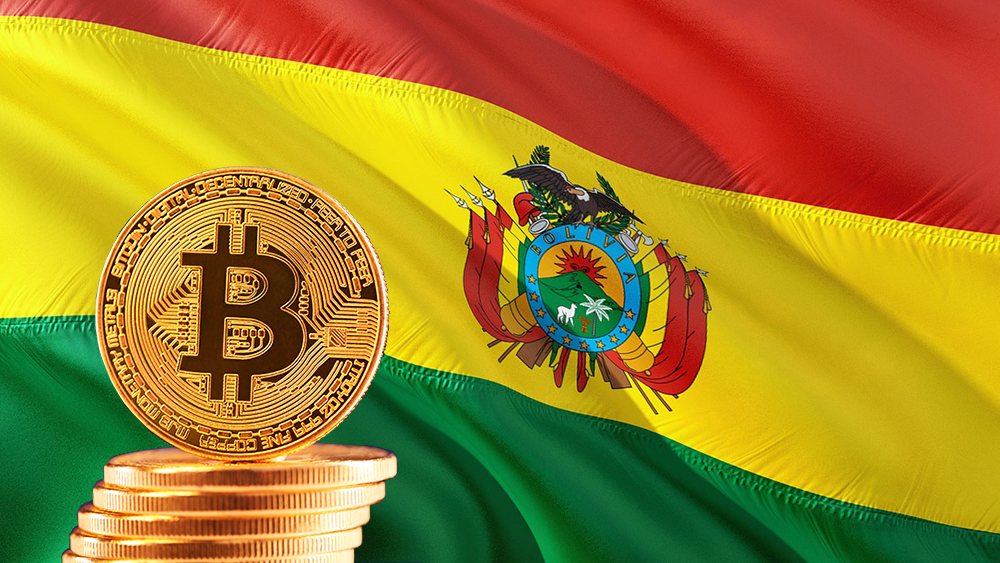


Bolivia is making history by allowing digital money for the first time. After years of banning it, the country plans to use the USDT stablecoin in its banking system.
This change will make banking faster, cheaper, and easier, helping people save, spend, and send money more conveniently.
Bolivia Legalizes Stablecoins for Everyday Use
For more than ten years, Bolivia was very strict about cryptocurrencies. Since 2014, the government banned their use, warning people that digital money was risky and could cause problems for the economy.
However, this changed in June 2024, when the Central Bank of Bolivia (BCB) lifted the ban. Now, crypto transactions are allowed through approved digital channels. This change marked a new era, letting digital coins exist alongside regular money under official rules.
In 2025, the government is focusing on Tether’s leading stablecoins USDT. These digital coins are tied to real-world assets and do not have the big price swings like Bitcoin (BTC) often do.
Economy Minister Jose Gabriel Espinoza said that stablecoins will act like legal money in Bolivia. People can use them for daily spending, saving, and even loans. In local economies, stablecoins help people protect their money from inflation and get around limits of regular banks.
Bolivia Banks Begin Offering Crypto Services
Banks in Bolivia are also getting ready to offer accounts, credit cards, and other services using cryptocurrencies. Meanwhile, some banks, like Banco Bisa, have already started offering crypto services.
These are especially useful for cross-border payments, which are faster and cheaper with digital money. At the same time, major automakers, Toyota, BYD, and Yamaha, recently started accepting USDT as a payment option for customers in Bolivia.
Reports show that crypto use in Bolivia has been quietly growing. In the past two years, transaction volumes have gone up by more than 500%, showing strong interest from the public.
By officially adding crypto to the financial system, Bolivia is moving toward a future where digital money is legal and practical for everyday use.
Bolivia Follows Latin America’s Lead in Embracing Stablecoins
Bolivia’s choice to allow stablecoins is similar to moves by other Latin American countries like Brazil and Argentina. These countries are using crypto to encourage innovation, investment, and economic growth.
Stablecoins are becoming more popular in the region. In 2024, Brazil saw a big increase in crypto trading. This made it the largest market in Latin America and the seventh-largest in the world for trading with regular money.
Argentina is now leading Latin America in crypto adoption. Recent data shows that nearly 20% of Argentines own digital assets, putting the country ahead of Brazil at 18.6% and El Salvador at 15%.
Read More
All News




BlockchainFX is the world’s first crypto exchange connecting traditional finance with blockchain. Join the $BFX presale today and secure your chance for 100x gains!
Join Now