

Allaire reportedly outlined plans to bring Circle's stablecoin infrastructure to dozens of emerging economies.
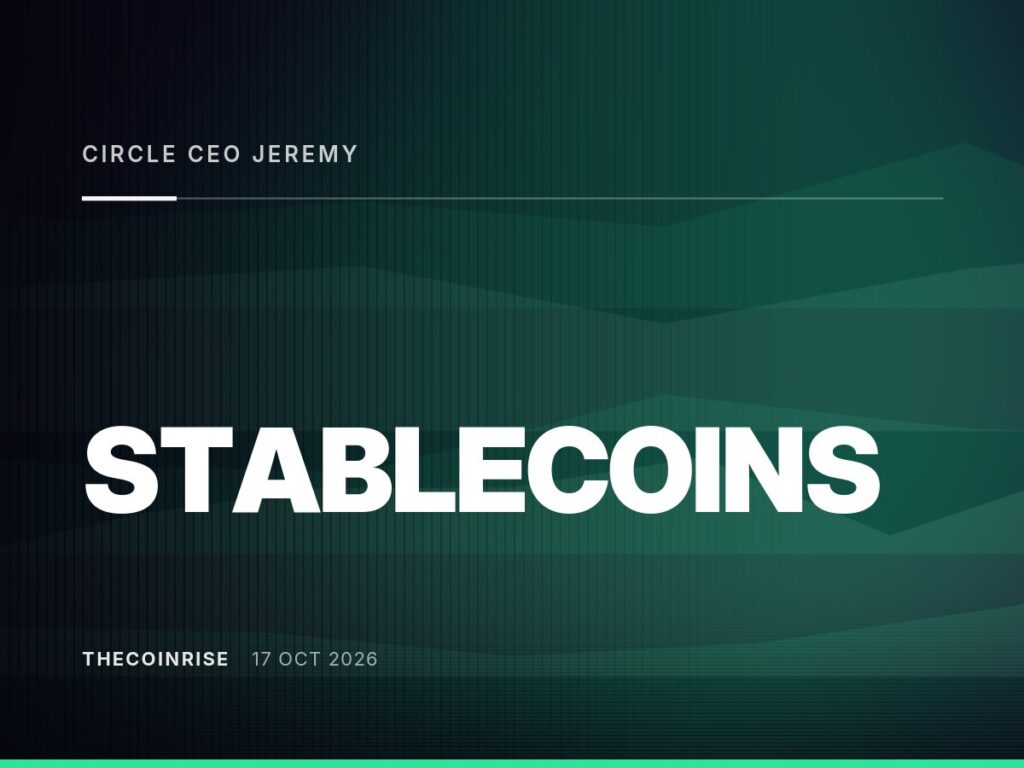
Circle CEO Jeremy Allaire said the company is looking to enter around 40 developing markets, according to a report from Cointelegraph. The statement signals an intent to widen the reach of Circle's stablecoin infrastructure well beyond its established customer base.
Circle issues USDC, one of the largest dollar-pegged stablecoins by market capitalization. The token is used for payments, remittances and as a settlement asset across crypto exchanges and decentralized finance platforms. Expanding into emerging economies would put USDC in regions where access to dollar-denominated financial tools is often limited.
Developing markets have historically shown strong demand for dollar-backed digital assets. Local currencies in many of these regions face volatility or capital controls. Stablecoins offer residents and businesses a way to hold and transact in dollar value without needing a traditional US bank account.
Allaire has previously framed Circle's mission around building what the company calls an internet financial system. That vision rests on stablecoins moving value across borders as easily as information moves across the internet. A push into 40 new markets would be consistent with that stated long-term goal.
The report did not specify which countries or regions Circle is targeting, nor did it detail a timeline for the expansion. It also did not describe what regulatory, banking or distribution partnerships such a move would require. Entering new jurisdictions typically involves navigating local licensing regimes, banking relationships and compliance frameworks, all of which vary widely across developing economies.
Circle has pursued regulatory clarity in major markets in recent years, including registrations and compliance frameworks in Europe and the United States. Extending that approach to dozens of additional countries would represent a significant operational undertaking. The company has not yet detailed, in the reporting available, how it plans to sequence or prioritize these markets.
Stablecoin issuers more broadly have been competing for share in regions with high remittance flows and limited banking infrastructure. Tether's USDT has had a notable presence in some of these same markets. Any Circle expansion would likely place USDC in more direct competition with existing stablecoin usage patterns already established by rivals.
The comments come as stablecoins continue to draw attention from regulators and lawmakers worldwide. Governments in both developed and developing economies have been weighing rules on stablecoin reserves, redemption rights and consumer protections. Circle's expansion plans, if confirmed with further detail, would unfold against that evolving regulatory backdrop.
Market Impact
If Circle follows through on entering dozens of new markets, USDC's circulation and transaction volume could broaden beyond its current geographic concentration. Wider distribution in developing economies could increase stablecoin usage for remittances, savings and merchant payments in regions underserved by traditional banking.
The move could also sharpen competition among stablecoin issuers vying for share in high-growth, high-remittance corridors. Any shift in market share between major dollar-pegged tokens would be relevant to exchanges, payment processors and DeFi platforms that rely on stablecoin liquidity across these regions.
Further details on which markets Circle intends to target, and how it plans to navigate local regulatory requirements, are likely to shape how this reported expansion unfolds.
Frequently Asked Questions
What did Circle CEO Jeremy Allaire reportedly say?
According to a Cointelegraph report, Allaire said Circle is looking to enter approximately 40 developing markets with its stablecoin infrastructure.
Which stablecoin does Circle issue?
Circle issues USDC, a dollar-pegged stablecoin widely used for payments, remittances and trading on crypto platforms.
Were specific countries named in the report?
The report did not identify specific countries or provide a timeline for the planned expansion into developing markets.
Why might stablecoins appeal to developing markets?
Stablecoins can offer dollar-denominated value to people in regions facing currency volatility or limited access to traditional banking services.




Read More
All News
October 17, 2026
Coinbase Tokenized Stock Figures: $262M vs $20M Dispute

October 17, 2026