

A strike near the Strait of Hormuz pushed oil above $90 a barrel as spot Bitcoin ETFs recorded net outflows and traders weighed rising geopolitical risk.
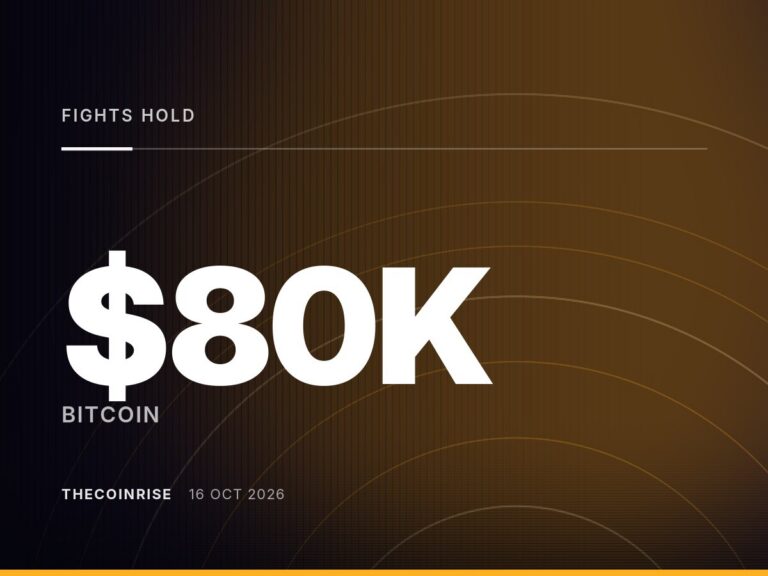
Bitcoin held near $78,000 on Monday, steadying after a sharp dip below $77,000 earlier in the session. The move came as tensions between the United States and Iran intensified, sending oil prices sharply higher and unsettling broader risk markets.
Reports indicated a strike near the Strait of Hormuz, a critical chokepoint for global oil shipments, pushed crude prices above $90 a barrel. The Strait handles a significant share of the world’s seaborne oil trade, so disruptions there tend to ripple quickly through energy markets and investor sentiment worldwide.
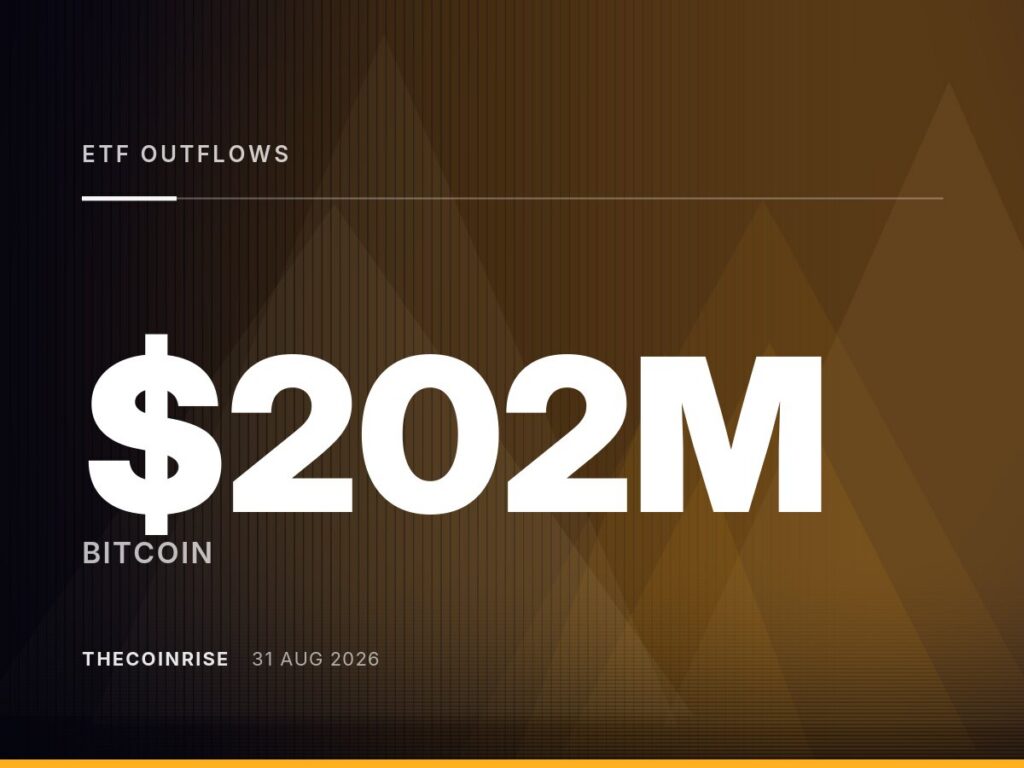
Alongside the oil spike, U.S. spot Bitcoin ETFs recorded net outflows of $202 million. Outflows of this size often reflect institutional investors trimming exposure during periods of geopolitical uncertainty, rather than a single catalyst tied directly to crypto markets. The scale of the withdrawal suggests some fund managers chose to reduce risk rather than wait out the volatility.
Bitcoin’s recovery from its intraday low back toward $78,000 suggests buyers stepped in relatively quickly after the drop. Sharp swings of this kind are common when macro shocks intersect with already thin weekend or early-week liquidity in crypto markets.
The move also coincided with weakness in the Japanese yen, which slid further against major currencies. A softer yen can influence global carry trades, where investors borrow in low-yield currencies to fund purchases of higher-yield or riskier assets, including cryptocurrencies. Currency pressure combined with rising energy costs adds another layer of macro complexity for traders trying to gauge Bitcoin’s near-term direction.
Oil’s rise above $90 a barrel is significant because higher energy prices can feed into inflation expectations, which in turn shape central bank policy outlooks. Investors often reassess risk appetite across asset classes when energy costs climb quickly, and crypto markets are not immune to those shifts. The combination of geopolitical conflict, currency movement, and ETF flow data gives traders several signals to weigh simultaneously.
Market participants are now watching whether the Strait of Hormuz situation escalates further or stabilizes in the coming days. Continued military activity in the region could keep oil prices elevated and sustain pressure on risk assets, including Bitcoin and other cryptocurrencies.
Sources disagree on this story
This article was published before the reports below were compared. The reporting above stands; what follows is where the published accounts do not agree.
Reports on Bitcoin's $78,000 hold and the ensuing ETF outflow disagree on how long the prior inflow streak had run before it ended.
What all sources agree on
- Bitcoin traded around $77,580–$78,800 on August 31, holding near $78,000 despite renewed U.S.-Iran military escalation.
- The U.S. struck Iranian targets near the Strait of Hormuz over the weekend, and oil prices rose in response, with Brent crude climbing above $90 and WTI rising roughly 2-2.6% to around $85.
- Bitcoin posted its strongest August performance in years, with gains cited in the 23-24% range, outperforming gold and the Nasdaq for the month.
- Federal Reserve Chair Kevin Warsh delivered a hawkish address at Jackson Hole, and September rate-hike probability estimates rose to roughly 57-60% from about 35% beforehand.
- U.S. spot Bitcoin ETFs recorded approximately $201.9 million in net outflows on August 28, according to Farside Investors data.
Where the reports disagree
1Length of the ETF inflow streak that ended on August 28
This marked the end of a continuous nine-day streak of positive inflows.
spot Bitcoin ETFs snapping a nine-day inflow streak as Ethereum funds kept drawing cash
spot Bitcoin ETFs snapped a nine-day inflow streak as Ethereum funds kept bleeding cash
whether the eight-day inflow run survived the shift in rate expectations
The products accumulated approximately $2.8 billion across eight consecutive inflow sessions during the recovery from Bitcoin's August lows.
What would settle it: Farside Investors' daily spot Bitcoin ETF flow data for the relevant trading days.
What to make of it
Treat the roughly $78,000 Bitcoin price, the oil-price jump after the U.S.-Iran strikes, and the ~24% August gain as established across sources. The exact length of the ETF inflow streak that ended on August 28 — eight days versus nine — is unresolved and shouldn't be cited as a fixed figure until checked against Farside's underlying daily data.
Market Impact
The $202 million ETF outflow signals some institutional caution even as Bitcoin's price stabilized near $78,000. Sustained outflows over multiple sessions could pressure spot prices further, particularly if oil-driven inflation concerns weigh on broader risk sentiment.
Rising oil prices and a weakening yen add macro variables that extend beyond crypto-specific catalysts. Traders will likely track energy markets and currency moves closely, since further escalation in the Middle East or continued yen depreciation could influence capital flows into or out of digital assets in the near term.
Bitcoin's ability to hold near $78,000 amid oil price shocks and ETF outflows highlights how closely crypto markets now track global macro events. The coming days, particularly developments around the Strait of Hormuz, may determine whether this stability holds.
Frequently Asked Questions
Why did oil prices surge above $90 a barrel?
Reports of a strike near the Strait of Hormuz, a key route for global oil shipments, drove crude prices sharply higher amid rising U.S.-Iran tensions.
How much did Bitcoin ETFs lose in outflows?
U.S. spot Bitcoin ETFs recorded net outflows of $202 million, reflecting reduced institutional exposure during the period of heightened geopolitical risk.
Did Bitcoin's price drop significantly during this period?
Bitcoin briefly fell below $77,000 before recovering to hold near $78,000, according to reported market data.
How does the yen's decline relate to Bitcoin markets?
A weaker yen can affect global carry trades, potentially influencing capital flows into riskier assets like Bitcoin, though the exact impact varies by trader positioning.