

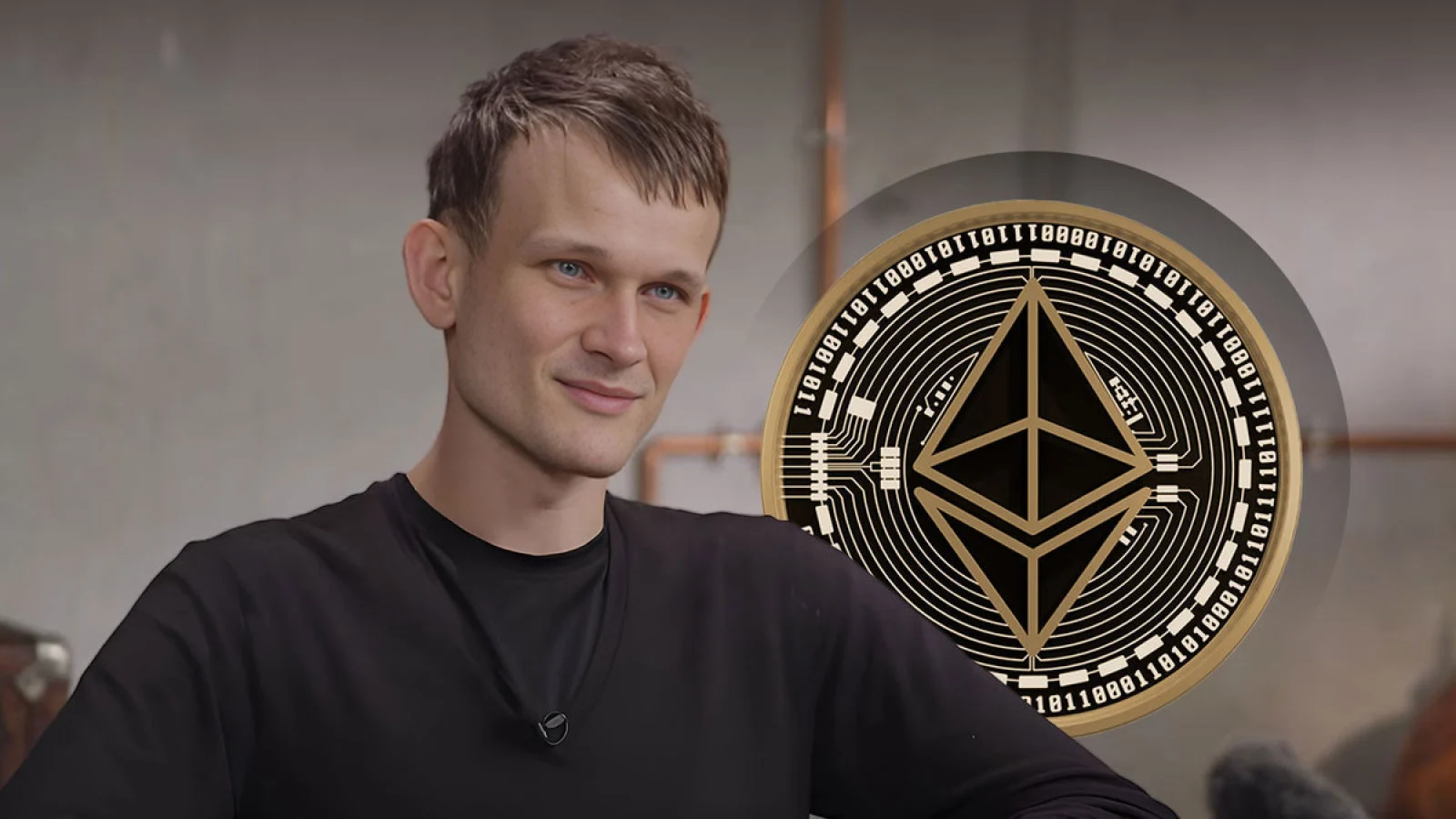


Ethereum co-founder Vitalik Buterin says the blockchain network has solved the long-standing blockchain trilemma.
Ethereum now delivers decentralization, strong consensus, and high bandwidth at the same time, using live technology already running on its main network. These technologies support Ethereum’s long-term goals for better scalability, security, and decentralization.
Ethereum Brings Speed, Security, and Decentralization Together
In a recent X post, Buterin explained that these achievements rest on two major developments. This includes Peer Data Availability Sampling (PeerDAS) and the zero-knowledge Ethereum Virtual Machines, or ZK-EVMs. These features are currently live on the Ethereum mainnet.
Together, these updates push Ethereum into a new class of decentralized networks with capabilities far beyond earlier systems. For years, blockchains had to trade speed for decentralization or security.
Ethereum now breaks that rule, as Buterin explained by comparing it to earlier peer-to-peer systems. With PeerDAS live in 2025 and ZK-EVMs entering real-world use in 2026, the network combines decentralization, shared consensus, and high data capacity.
Buterin emphasized that this result exists in running code, not in future promises.
The Technologies Powering Ethereum’s Next Growth Phase
PeerDAS plays a major role by letting Ethereum process large amounts of data without requiring every node to store or handle it all.
This raises bandwidth while keeping the network decentralized. It allows many users to verify Ethereum without expensive hardware, and it is already live on the mainnet.
ZK-EVMs, on the other hand, focus on how blocks are verified by using zero-knowledge proofs to prove correctness with far less work. After years of development, these technologies are now ready for real use.
The first ZK-EVM nodes are expected in 2026, and full adoption is planned between 2027 and 2030. The new tool will allow much higher gas limits without harming decentralization or security.
Vitalik Buterin Lays Out Ethereum’s Next Four Years
Buterin shared a clear four-year plan for Ethereum’s growth. From 2026 to 2030, the network will raise gas limits in stages while using new tools and ZK-EVMs to stay secure, decentralized, and scalable.
The co-founder also spoke about the future of block building on Ethereum. He said the goal is to spread block creation power as widely as possible. This ensures that no small group controls how blocks are formed, reducing centralization risks.
In a post shared on January 1, Buterin reflected on Ethereum’s progress during 2025. He pointed to higher gas limits, increased blob capacity, stronger node software, and major ZK-EVM performance gains as signs of steady momentum.
He also reminded the community of Ethereum’s broader purpose. The company’s leader said the network aims to serve as a global computer for a more open and free internet, not just to scale or compete.
Read More
All News




BlockchainFX is the world’s first crypto exchange connecting traditional finance with blockchain. Join the $BFX presale today and secure your chance for 100x gains!
Join Now