

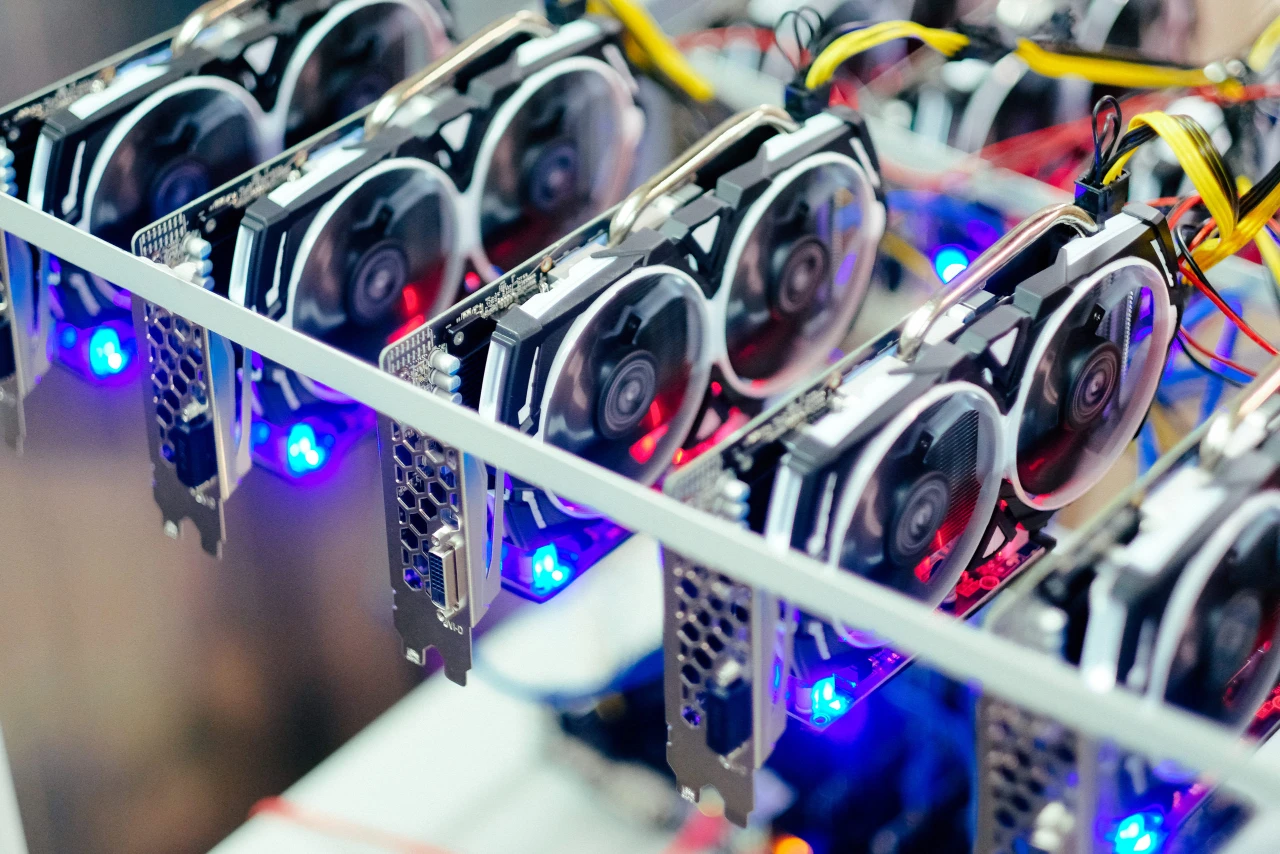


Severe weather conditions have forced major U.S. Bitcoin mining operations to shut down voluntarily. According to recent reports, this has reduced the network computing power and slowed new block creation. The winter storm called Fernan has brought very low temperatures, heavy snowfall, and ice to many areas of the country.
U.S Weather Conditions Greatly Affect Bitcoin Miners
More than one million people in the US have lost power, and grid operators have issued emergency warnings to conserve electricity.
To help maintain grid stability and comply with local regulations, many Bitcoin miners have paused their operations. Notably, industry data revealed that Foundry USA Pool’s computing power has declined by almost 60% since Friday.
In total, an estimated 200 exahashes per second (EH/s) of computing power has gone offline across major U.S.-focused Bitcoin mining pools.
Undoubtedly, this represents a substantial portion of the global Bitcoin hashrate. Meanwhile, the sudden drop in hashrate has had an immediate impact on the Bitcoin network. Average Bitcoin block production times have slowed to over 12 minutes, compared to the normal 10-minute average.
While this slowdown affects transaction confirmation times, it does not pose a long-term threat to the network. Bitcoin’s built-in difficulty adjustment mechanism is designed to recalibrate mining difficulty over time, restoring block times once the hashrate stabilizes.
AI Pulls Power Away From Bitcoin Mining
A week ago, the Bitcoin network hashrate fell below 1,000 EH/s for the first time since mid-September 2025.
This marked a near 15% drop from the October 29 peak of 1,157 EH/s. It is worth noting that the drop stands out because it arrived during a period when mining conditions had eased.
Lower hashrate usually follows falling prices or tighter margins, not improving conditions. StandardHasg CEO Leon Lyu said the decline is driven by miners redirecting power toward AI compute services.
Mining sites already have large power contracts and cooling systems. This makes it easier to shift machines away from SHA-256 hashing and into AI workloads.
Bitcoin Miners Are Staying Offline For Now
There have been temporary price boosts that seemed hopeful; however, the hashrate has not returned to previous highs. Hashrate measures the total computing power that secures the Bitcoin network. When miners shut down their machines, it often indicates they are facing profit struggles.
Ultimately, energy prices are the biggest challenge for Bitcoin miners in 2026. Although the price of Bitcoin is higher, electricity costs in many areas have not gone down.
For large mining operations, making a profit depends less on Bitcoin’s price and more on power contracts, efficiency, and access to cheap energy.
As a result, only the most efficient miners with good power rates can continue their operations.
Others are choosing to pause their mining, merge with others, or leave the market permanently. Meanwhile, the ongoing decrease in Bitcoin’s hashrate does not mean the network is weak. Instead, it indicates a time of economic adjustment.
Read More
All News




BlockchainFX is the world’s first crypto exchange connecting traditional finance with blockchain. Join the $BFX presale today and secure your chance for 100x gains!
Join Now