

Coinjoin mixing services were used to obscure the trail of stolen funds, according to blockchain analysts.
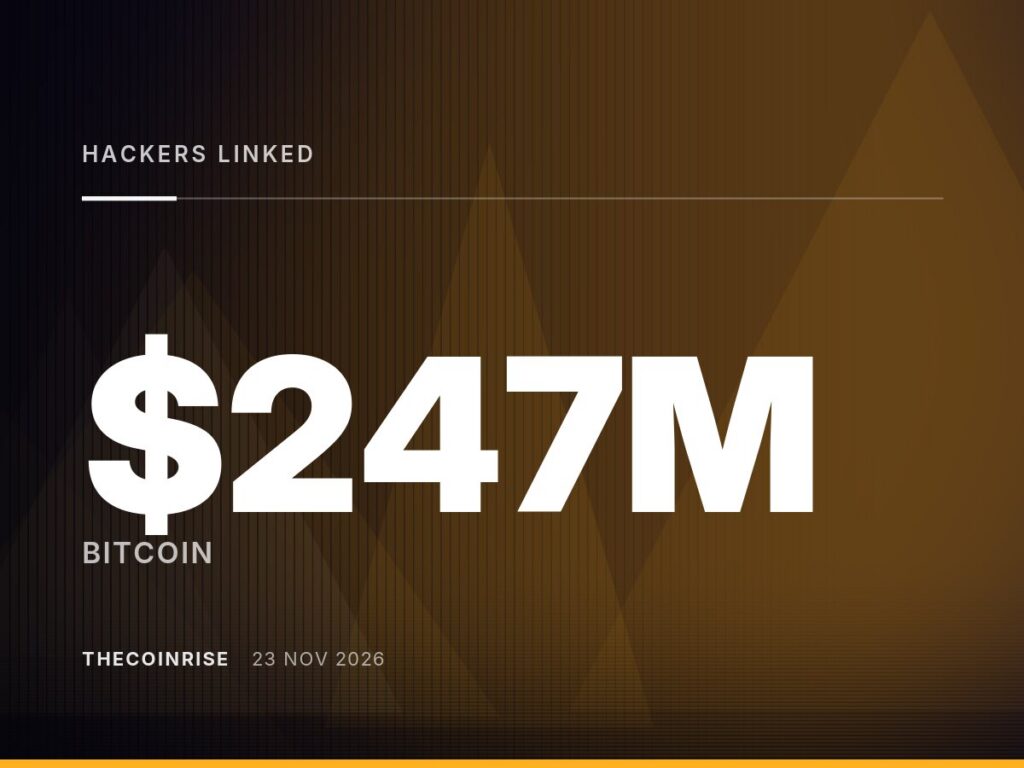
Blockchain investigators have tracked $247 million in Bitcoin tied to a Binance hack moving through coinjoin mixers. CryptoBriefing reported the transfers this week, describing a coordinated effort to obscure the funds' origin. Decrypt's reporting adds that the activity has been linked to North Korean hackers, consistent with past state-sponsored crypto theft operations.
Coinjoin is a mixing technique that combines multiple users' transactions into a single batch. This process makes it harder to trace which coins belong to which sender. It is a legitimate privacy tool used by ordinary Bitcoin holders, but it has also become a preferred method for criminals laundering stolen funds.
The scale of the transfer, $247 million, places this event among the larger laundering operations tracked in recent crypto theft history. Moving such a sum through mixers typically requires splitting funds into smaller batches over time. This process can span weeks or months as launderers attempt to avoid triggering automated detection systems used by exchanges and analytics firms.
North Korea has been repeatedly named by Western governments and blockchain forensics firms as a source of large-scale crypto theft. State-linked hacking groups have been blamed for a string of exchange breaches and wallet compromises over the past several years. Stolen digital assets are believed to help fund the country's weapons programs, according to assessments from international monitoring bodies.
Binance, one of the world's largest cryptocurrency exchanges by trading volume, has previously been targeted in security incidents affecting user funds and platform infrastructure. The exchange has worked with law enforcement and blockchain analytics firms in past cases to trace stolen assets. It is not yet clear from current reporting what recovery efforts, if any, are underway for this specific sum.
Mixing services occupy a contested space in crypto regulation. Some jurisdictions have sanctioned specific mixing platforms, citing their use in laundering proceeds from hacks and other illicit activity. Industry participants argue that mixers also serve legitimate privacy needs for users who want to shield their financial activity from public blockchain surveillance.
Tracking funds through coinjoin transactions is more difficult than monitoring standard transfers, but not impossible. Blockchain analytics firms have developed techniques to probabilistically link inputs and outputs even after mixing. Success in tracing the $247 million will likely depend on how thoroughly the funds were split and re-mixed across multiple rounds.
Market Impact
Large-scale laundering operations tied to state actors tend to renew scrutiny of exchange security practices and custody arrangements across the industry. Reports of North Korean involvement in crypto theft have historically prompted exchanges to tighten withdrawal monitoring and strengthen cooperation with blockchain forensics firms.
The use of coinjoin mixers in this case may also reignite regulatory debate over privacy-preserving crypto tools. Policymakers in several jurisdictions have weighed restrictions on mixing services, balancing concerns about illicit finance against arguments for financial privacy.
The movement of $247 million through Bitcoin mixers underscores the ongoing challenge of tracing stolen crypto funds tied to state-linked hacking groups. Further details on recovery efforts or additional attribution may emerge as blockchain analysts continue tracking the transactions.
Frequently Asked Questions
What is a coinjoin mixer?
A coinjoin mixer combines Bitcoin transactions from multiple users into a single batch, making it harder to trace which funds belong to which sender.
Who is accused of moving the stolen Bitcoin?
Decrypt's reporting attributes the transfers to hackers linked to North Korea, following a prior Binance hack.
How much Bitcoin was involved?
Reports indicate $247 million in Bitcoin was moved through coinjoin mixing services.
Is it possible to trace funds moved through mixers?
Blockchain analytics firms use probabilistic techniques to link mixed transactions, though tracing becomes more difficult with multiple rounds of mixing.





Read More
All News
November 23, 2026
Sky Reports Diverge: PSM Reserve vs. stUSDS Pool Drain


November 23, 2026
Reported $600K Theft Hits Trezor and Exodus Wallet Users

November 23, 2026