

The new card links crypto spending to everyday payments through Visa and Apple Pay integration.
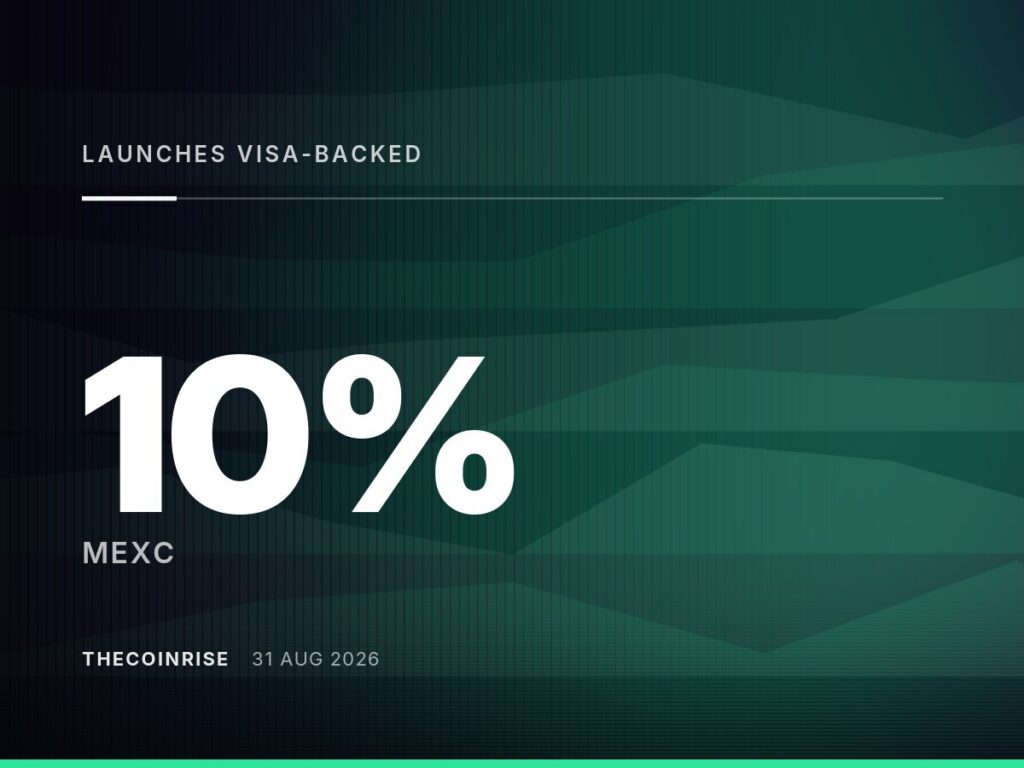
MEXC has introduced the MEXC Global Card, a Visa crypto card designed to let users spend digital assets like conventional money. The card offers up to 10% cashback in USDT on qualifying purchases. It also allows holders to earn up to 7% yield on stablecoin balances held on the platform.
The card integrates with Apple Pay, according to reporting from crypto.news. That feature lets users tap to pay at point-of-sale terminals without carrying a physical card. It also extends usability to online and in-app purchases where Apple Pay is accepted.
MEXC's move follows a broader trend among crypto exchanges. Many platforms now push into payment cards to make holdings usable in daily commerce. Binance, Crypto.com and others have launched similar products in past years. These cards try to close the gap between holding crypto and spending it.
The cashback and yield combination is central to MEXC's pitch. Cashback rewards, paid in USDT, add a spending incentive tied to a dollar-pegged stablecoin. The yield feature, offering up to 7% on stablecoin holdings, gives users a reason to keep balances on the platform. Together, the two features aim to keep funds circulating within the MEXC ecosystem rather than moving to competitors.
Stablecoins sit at the center of both features. USDT remains the most widely used stablecoin by trading volume and market capitalization. Building cashback and yield around it signals MEXC's bet that stablecoins will keep serving as the bridge between crypto trading and real-world spending. That bet aligns with wider industry moves toward stablecoin-based payment rails.
The Visa partnership also matters for adoption. Visa's global merchant network covers millions of locations. A Visa-branded card lets MEXC users spend crypto-linked balances almost anywhere Visa is accepted. That removes a common barrier facing niche crypto debit cards with limited merchant support.
Details on card issuance, regional availability and specific eligibility requirements were not fully outlined in the initial announcements. Terms for the 10% cashback rate and the 7% yield, including caps, tiers or qualifying balances, were also not specified. Users interested in the product should expect MEXC to release further terms as the rollout continues.
Market Impact
The launch adds MEXC to a growing list of exchanges betting on card products to drive retail engagement. Cashback and yield incentives tied to stablecoins could pull deposits toward MEXC's platform, competing directly with rivals offering similar loyalty structures. For the broader market, the move underscores stablecoins' expanding role beyond trading, into everyday payments and rewards programs.
Wider adoption of stablecoin-linked cards could also draw more regulatory attention to how exchanges structure yield products. Regulators in several jurisdictions have scrutinized crypto yield offerings tied to stablecoins. How MEXC frames and discloses its 7% yield feature may influence how similar products are treated going forward.
The MEXC Global Card reflects the continuing push to make stablecoins usable for everyday spending, not just trading. Its success will likely hinge on the specific terms MEXC discloses for cashback and yield eligibility.
Frequently Asked Questions
What is the MEXC Global Card?
It is a Visa-branded crypto payment card launched by exchange MEXC, offering USDT cashback and stablecoin yield to holders.
How does the cashback and yield feature work?
Reports indicate the card offers up to 10% cashback in USDT on purchases and up to 7% yield on stablecoin balances, though exact terms and eligibility have not been fully detailed.
Does the card support mobile payments?
Yes, the card integrates with Apple Pay, allowing contactless payments through supported devices.
Is the MEXC Global Card available globally?
Specific regional availability has not been confirmed in current reporting, and further details are expected as the rollout progresses.