

Growth in holders and trading activity signals rising demand for blockchain-based equity products.
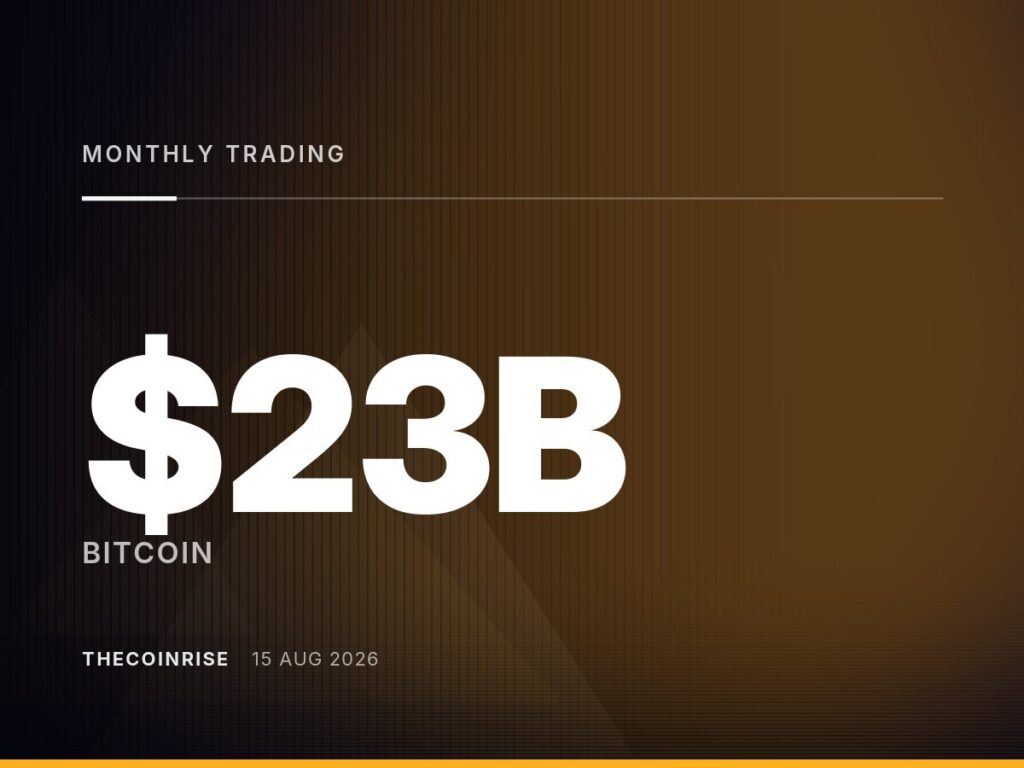
Tokenized stocks, digital tokens representing shares in publicly traded companies, have seen a sharp jump in both users and trading activity. Data cited by Cointelegraph shows the number of holders more than doubled over the period measured. The Cryptonomist reported monthly trading volume climbed 180%, reaching more than $23 billion.
Tokenized equities aim to bring stock ownership onto blockchain rails. They allow investors to trade fractional or full shares of companies without going through traditional brokerages. Proponents argue this can lower barriers to entry, enable near-instant settlement, and open access to markets that are otherwise restricted by geography or trading hours.
The concept has existed for several years, but adoption has been gradual. Early tokenized stock products faced questions about liquidity, custody arrangements, and regulatory clarity. Exchanges and fintech platforms have since worked to build out infrastructure meant to bridge traditional securities markets with blockchain settlement systems.
The reported doubling of holders suggests that more retail and institutional participants are willing to experiment with these products. A near 180% jump in monthly volume indicates that existing users are also trading more actively, not just that new users are opening accounts. Both trends together point to growing confidence in the mechanics of tokenized equity trading.
This growth arrives amid a broader push by crypto platforms to diversify beyond digital assets like Bitcoin and Ether. Firms have been building tokenized versions of stocks, commodities, and other real-world assets. Industry participants have described real-world asset tokenization as one of the more promising growth areas for blockchain finance.
Regulatory treatment of tokenized stocks varies by jurisdiction. Some regions have provided clearer frameworks for offering these products, while others have yet to issue specific guidance. That patchwork has shaped where platforms choose to operate and which investors can access tokenized equity markets.
The scale of the reported volume, exceeding $23 billion in a single month, marks a notable increase from earlier periods when tokenized stock trading remained a niche corner of the crypto market. Whether this pace of growth continues will depend on factors including regulatory developments, platform reliability, and broader market conditions across both crypto and traditional equities.
Market Impact
A doubling of tokenized stock holders alongside a 180% jump in monthly volume suggests the sector is moving from a niche experiment toward a more established market segment. Increased trading activity could encourage more exchanges and fintech firms to expand their tokenized equity offerings, potentially deepening liquidity over time.
The growth also places renewed attention on regulatory frameworks governing tokenized securities, given that rules differ across jurisdictions. Continued expansion may prompt regulators to clarify how tokenized stocks should be treated relative to traditional securities and custody requirements.
The reported surge in tokenized stock holders and trading volume highlights growing investor interest in blockchain-based equity products, though the sector's long-term trajectory will hinge on regulatory clarity and platform infrastructure.
Frequently Asked Questions
What are tokenized stocks?
Tokenized stocks are digital tokens that represent ownership or exposure to shares of publicly traded companies, issued and traded on blockchain networks.
How much did tokenized stock trading volume grow?
According to The Cryptonomist, monthly trading volume rose 180%, surpassing $23 billion, while Cointelegraph reported the number of holders more than doubled.
Why is this growth significant?
It suggests rising investor demand for blockchain-based access to traditional equities and points to broader momentum in real-world asset tokenization.
Are tokenized stocks regulated the same way as traditional stocks?
Regulatory treatment varies by jurisdiction, with some regions offering clearer frameworks for tokenized securities and others yet to issue specific guidance.