

A steep selloff in chip shares and rising borrowing costs pressured Japan's benchmark index, according to a report from CryptoBriefing.
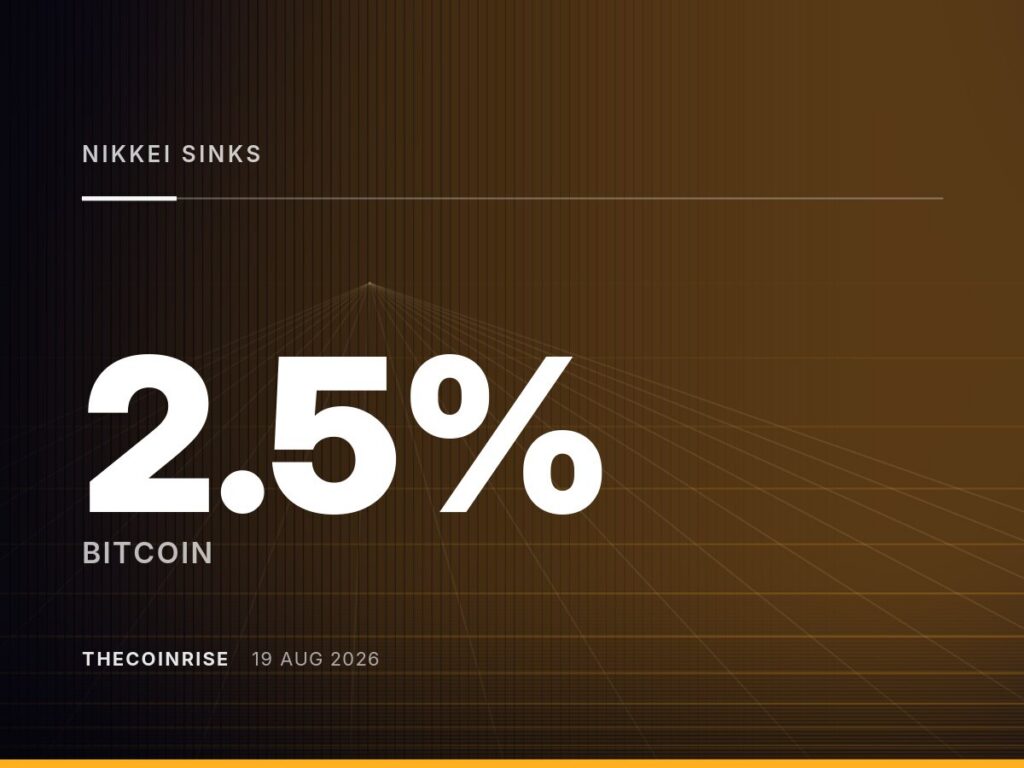
Japan's Nikkei 225 index dropped 2.5% in a session marked by heavy selling in chip-related shares, according to a report from CryptoBriefing. The report described bond yields simultaneously climbing to multi-decade highs, a combination that traders often read as a signal of tightening financial conditions.
Chip stocks have played an outsized role in driving Asian equity gains over the past several years. Semiconductor demand tied to artificial intelligence infrastructure has powered much of that rally. A sharp pullback in this sector can therefore weigh heavily on broad indexes like the Nikkei, given how concentrated recent gains have been in a handful of technology-linked names.
Rising bond yields add another layer of pressure. When yields climb to levels not seen in decades, borrowing costs for companies and consumers rise in tandem. Higher yields also make bonds more attractive relative to equities, which can pull capital away from riskier assets, including stocks and, at times, cryptocurrencies.
The interplay between equity selloffs and bond market moves is closely watched by macro traders. A simultaneous drop in stocks and rise in yields can reflect concerns about inflation, monetary policy tightening, or shifting expectations around central bank action. CryptoBriefing's report did not specify the precise cause behind the yield spike or the extent of losses across individual chip companies.
Japan's equity market has been a focal point for global investors this year, given the country's exposure to semiconductor supply chains and its central bank's evolving policy stance. Moves in Japanese government bond yields carry significance beyond domestic markets, since Japan remains one of the largest holders of foreign assets globally. Shifts in Japanese yields can influence capital flows into and out of other markets, including U.S. Treasuries.
For crypto market participants, macro events like this one matter because digital assets increasingly trade in correlation with broader risk sentiment. Sharp equity selloffs tied to rate concerns have, at various points over the past few years, coincided with volatility in Bitcoin and other major tokens. Whether this particular Nikkei decline produces a similar spillover into crypto markets remains to be seen, and no such correlation was confirmed in the available reporting.
Investors will likely watch subsequent trading sessions in Tokyo, along with any commentary from the Bank of Japan, for further signals. Additional reporting on the specific catalysts behind the bond yield move, and on which chip companies drove the steepest declines, would help clarify the scope of the selloff.
Market Impact
A 2.5% drop in the Nikkei, paired with multi-decade-high bond yields, points to tightening conditions that historically pressure risk assets broadly. Semiconductor stocks often serve as a bellwether for technology-driven market sentiment, so weakness there can extend into other growth-oriented sectors, including crypto-adjacent equities and tokens tied to AI narratives.
Crypto traders often monitor Asian equity sessions and bond yield trends as early indicators of shifting risk appetite heading into U.S. and European trading hours. If elevated yields persist, capital could continue rotating toward fixed-income instruments, a dynamic that has previously coincided with reduced inflows into digital assets. The full extent of any crypto market reaction to this specific event was not detailed in current reporting.
The Nikkei's decline underscores how closely chip stock performance and bond yield movements are being watched across global markets. Further reporting should clarify the underlying drivers and whether the volatility extends into other asset classes, including crypto.
Frequently Asked Questions
What caused the Nikkei's 2.5% drop?
CryptoBriefing reported that the decline coincided with a selloff in chip stocks and bond yields reaching multi-decade highs, though the exact catalyst was not specified.
Why do chip stocks have such a big impact on the Nikkei?
Semiconductor companies have driven much of the recent gains in Asian equity indexes, making the Nikkei sensitive to swings in that sector's performance.
How could this affect crypto markets?
Rising bond yields and equity selloffs can reduce appetite for riskier assets, including cryptocurrencies, though no direct crypto market impact was confirmed in the available reporting.
Are multi-decade-high bond yields unusual?
Yes, yields reaching levels not seen in decades typically reflect significant shifts in inflation expectations or monetary policy, and can raise borrowing costs across the economy.