

The costly, years-long legal fight is reshaping how Washington lawmakers approach digital asset rules.
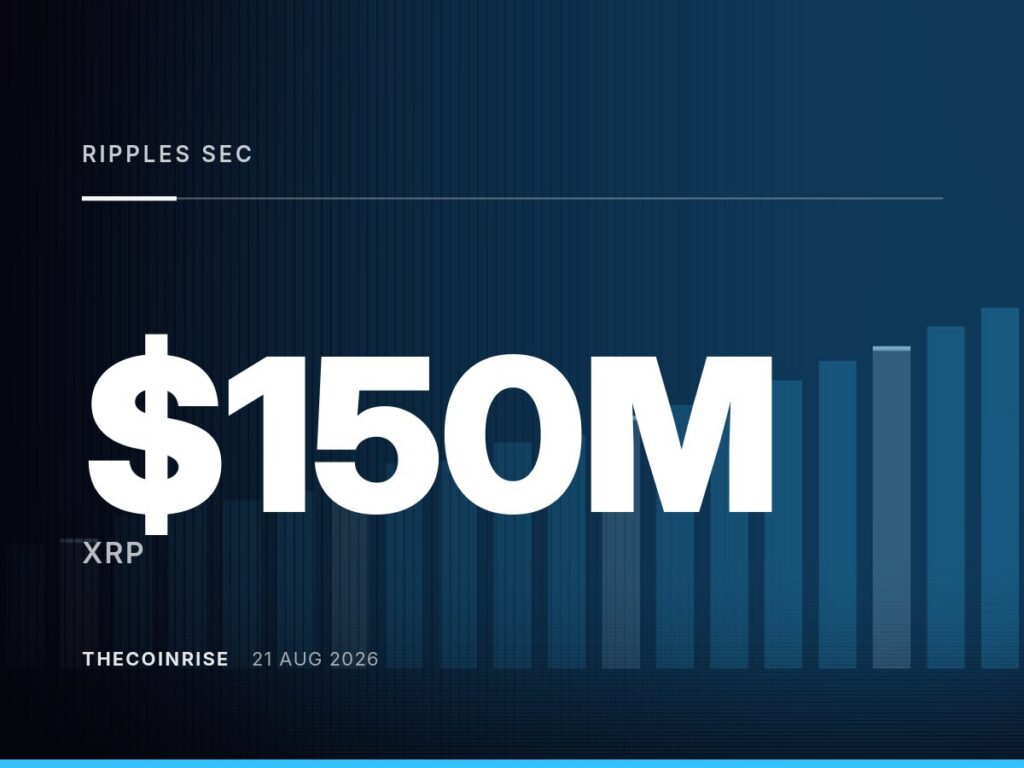
Ripple's protracted legal fight with the U.S. Securities and Exchange Commission has produced a costly outcome that is now shaping policy discussions in Washington. Reports place the total financial toll on Ripple at roughly $150 million, a figure covering legal costs and other expenses tied to the case. That number is being cited as evidence of what regulatory ambiguity can cost even a well-capitalized company.
The SEC first sued Ripple in late 2020, alleging that its XRP token sales amounted to unregistered securities offerings. The case dragged on for years, working through multiple rulings, appeals, and shifting legal arguments about how existing securities law applies to digital assets. Throughout that period, Ripple continued operating while absorbing mounting legal expenses.
According to reporting from Cryptonews.com, the case has become a reference point for lawmakers weighing how to write clearer rules for digital assets. The outlet frames the Ripple experience as a warning about the cost of leaving crypto firms to litigate basic questions of legal classification in court rather than through statute.
The Cryptonomist similarly reports that the $150 million bill is feeding into a broader rethink in Washington over crypto policy. That rethink centers on whether Congress should pass dedicated market structure legislation, rather than relying on the SEC to define the boundaries of securities law case by case through enforcement actions.
The underlying tension is not new. For years, industry participants have argued that the absence of clear statutory guidance forces companies to guess whether their tokens or sales practices comply with securities law. Enforcement-driven regulation, critics say, imposes high costs and unpredictable outcomes even when companies eventually prevail on parts of their case.
Ripple's situation is now being used by both sides of the policy debate. Advocates for legislative clarity point to the company's expenses as proof that Congress needs to act. Others caution that any new framework must be carefully constructed, since poorly designed rules could create fresh uncertainty rather than resolve it.
The case also arrives at a moment when U.S. lawmakers are actively drafting market structure bills intended to divide oversight of digital assets between the SEC and the Commodity Futures Trading Commission. Ripple's experience is being cited in those discussions as an example of the stakes involved in getting the framework right.
Neither report detailed a specific breakdown of the $150 million figure or confirmed how it compares to earlier estimates of Ripple's legal spending. The exact allocation between legal fees, penalties, and other costs was not specified in the available reporting.
Market Impact
For the broader crypto industry, the Ripple case functions as a benchmark for the financial risk of operating without clear regulatory guidance. Companies weighing token launches or exchange listings may view the reported $150 million cost as a reason to push harder for legislative clarity before expanding U.S. operations.
Investors and market participants are likely to watch how Congress responds to this renewed policy debate. Any movement toward comprehensive market structure legislation could reduce enforcement-driven uncertainty for token issuers, though the timeline and shape of such legislation remain unresolved.
Ripple's costly path through the courts has become a talking point well beyond its own case, feeding into a wider Washington conversation about how digital assets should be regulated going forward.
Frequently Asked Questions
What is the $150 million figure tied to the Ripple SEC case?
It refers to the reported total financial cost Ripple has incurred through its multi-year legal battle with the SEC, according to Cryptonews.com and The Cryptonomist. The exact breakdown between fees and other costs was not specified.
Why is the Ripple case relevant to crypto lawmakers now?
The case is being cited as evidence of the cost and uncertainty created by relying on enforcement actions, rather than legislation, to clarify how securities law applies to digital assets.
Is Congress currently working on crypto market structure legislation?
Reports indicate lawmakers are actively discussing market structure bills meant to clarify oversight roles between the SEC and CFTC, with the Ripple case referenced as part of that debate.
Has the SEC v. Ripple case been fully resolved?
The available reporting does not specify the case's final status, only that Ripple has incurred roughly $150 million in costs over the course of the litigation.