

A freeze order halts movement of crypto assets valued at roughly $58 million while a transfer disagreement is resolved
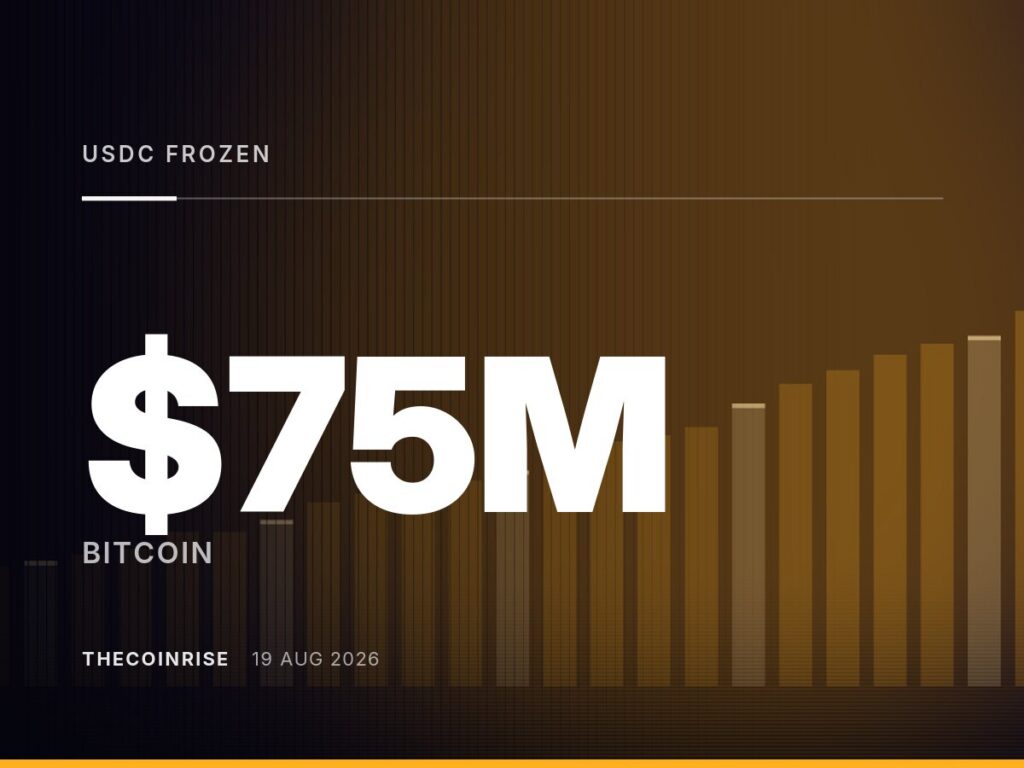
A Singapore court has issued an order freezing cryptocurrency assets valued at S$75 million, or approximately $58 million, according to reports from crypto.news and Cryptopolitan. The order covers Bitcoin and USDC holdings connected to a disagreement between a crypto exchange and one of its customers over a transfer of funds.
The freeze prevents the assets from being moved, sold, or otherwise disposed of while the underlying dispute is examined. Courts commonly use such orders in commercial cases to preserve assets before a final ruling is made. This ensures that funds remain available if a judgment ultimately favors one party over the other.
Details about the exact nature of the transfer dispute were not fully specified in the reports. What is clear is that the case involves a crypto exchange and a customer, and that the disputed assets include both a volatile cryptocurrency, Bitcoin, and a fiat-pegged stablecoin, USDC. The mix of asset types illustrates how modern crypto disputes often span multiple token categories rather than a single currency.
Singapore has positioned itself as a significant hub for digital asset businesses in Asia. The city-state's courts have increasingly been asked to weigh in on crypto-related commercial disagreements as trading volumes and institutional participation have grown. A freeze order of this size signals that local courts are willing to intervene decisively when asset ownership or transfer legitimacy is contested.
The discrepancy between the S$75 million and $58 million figures likely reflects a currency conversion rather than a factual disagreement. Singapore dollars converted to US dollars at prevailing exchange rates would produce a similar approximate value. Still, the variation in headline figures across reports highlights the importance of clarifying currency denominations in cross-border crypto reporting.
Neither report identified the exchange or customer by name in the information available. The absence of those details limits what can be said about the specific circumstances behind the transfer that triggered the dispute. Further court filings or public statements may clarify the parties involved and the precise allegations at the center of the case.
Market Impact
A court-ordered freeze of this size could draw attention from other exchanges operating in Singapore, particularly regarding internal transfer verification processes. Disputes involving custody and asset movement have become a recurring theme as crypto trading volumes rise globally.
While the case does not appear to target a specific named exchange in available reporting, it may prompt renewed scrutiny of how platforms document and confirm large transfers with customers. Regulatory bodies in Singapore have generally taken an active approach to digital asset oversight, and legal actions like this one could reinforce expectations around transparency and dispute resolution in the sector.
The freeze order underscores how Singapore's courts continue to play an active role in resolving high-value crypto disputes. Additional details are likely to emerge as the case progresses through the legal system.
Frequently Asked Questions
What assets were frozen by the Singapore court?
The court froze holdings of Bitcoin and USDC valued at approximately S$75 million, or around $58 million, according to available reports.
Why do the reported figures differ between S$75 million and $58 million?
The difference appears to reflect a currency conversion between Singapore dollars and US dollars rather than a factual disagreement about the assets involved.
What caused the dispute leading to the freeze?
Reports indicate the freeze stems from a disagreement between a crypto exchange and a customer over a fund transfer, though full details of the dispute were not specified.
What does a court freeze order typically accomplish?
A freeze order prevents assets from being moved or sold while a legal dispute is resolved, preserving them in case a judgment requires their return or reallocation.