

Michael Saylor's company boosted cash reserves to $4.8 billion while repurchasing more STRC shares last week
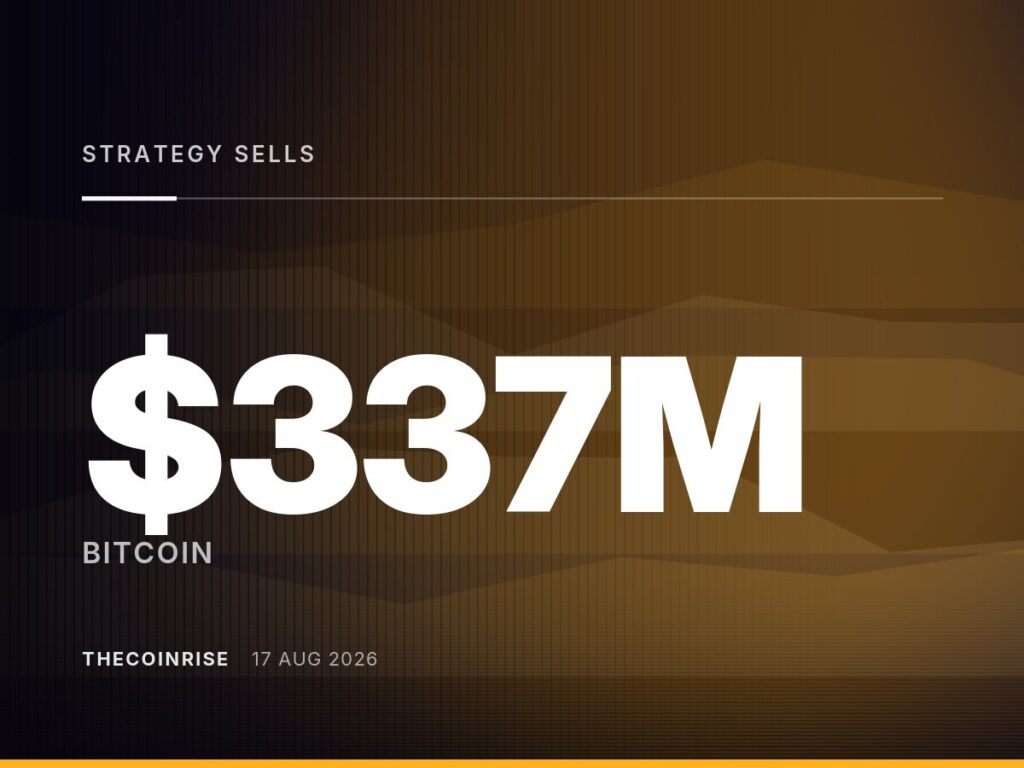
Strategy, the company chaired by Michael Saylor, sold $337 million worth of its MSTR common stock, according to a disclosure covered by CryptoBriefing. The sale did not translate into new bitcoin purchases. The firm's bitcoin holdings stayed flat at 840,447 BTC, per reporting from Bitcoin.com News.
Instead of deploying the proceeds into more bitcoin, Strategy directed funds toward building up its cash position. The company's dollar reserve rose to $4.8 billion, a notable increase reported by both CoinDesk and Bitcoin.com News. This marks a departure from the pattern investors have grown used to, where equity or debt raises were funneled almost immediately into bitcoin acquisitions.
CoinDesk also reported that Strategy used part of last week's activity to buy back more shares of STRC, its preferred stock instrument. Increased repurchases of STRC suggest the company is actively managing its capital structure across multiple securities, not just its common stock and bitcoin holdings.
Strategy has built its identity around continuous bitcoin accumulation since 2020, turning MSTR into a proxy for direct bitcoin exposure among equity investors. The firm has historically issued stock and convertible debt specifically to fund bitcoin purchases, a strategy closely watched by both crypto markets and corporate finance observers.
A pause in bitcoin buying, paired with a stock sale and rising cash reserves, marks a shift in tone from that pattern. It does not necessarily signal a change in long-term strategy, but it does show the company balancing liquidity needs against its accumulation approach at this moment.
The STRC buybacks add another layer to the picture. Preferred stock repurchases can reflect efforts to manage yield obligations, support the security's market price, or optimize the company's overall balance sheet. Combined with the cash build-up, the moves suggest a period of financial consolidation rather than expansion of the bitcoin treasury.
Market participants who track Strategy's filings closely will likely parse this update for signals about future capital raises. The company's approach to funding, whether through equity, debt, or preferred instruments, has direct implications for bitcoin demand tied to corporate treasury strategies.
Market Impact
The sale of $337 million in MSTR stock without a corresponding bitcoin purchase could be read by markets as a temporary pause in Strategy's accumulation strategy. Given the company's outsized influence on institutional bitcoin demand narratives, any slowdown in buying tends to draw attention from traders tracking corporate treasury flows.
The increase in cash reserves to $4.8 billion, combined with STRC buybacks, points to active balance sheet management rather than aggressive expansion. Investors and analysts may watch upcoming filings closely to see whether the cash position is redeployed into bitcoin or held as a liquidity buffer amid broader market conditions.
Strategy's latest moves show a company balancing its bitcoin-first identity with near-term capital management, holding its 840,447 BTC steady while strengthening cash reserves and preferred stock positions.
Frequently Asked Questions
Did Strategy buy more bitcoin with the $337 million from the stock sale?
No. Reporting indicates Strategy's bitcoin holdings remained unchanged at 840,447 BTC despite the stock sale.
What did Strategy do with the proceeds from the MSTR stock sale?
The company increased its cash reserves to $4.8 billion and used funds to repurchase more shares of its STRC preferred stock.
What is STRC?
STRC is a preferred stock instrument issued by Strategy, separate from its common MSTR shares, and the company increased buybacks of it last week.
Has Strategy changed its long-term bitcoin accumulation strategy?
The reported facts show a pause in new bitcoin purchases and a focus on cash and preferred stock management, but they do not indicate a formal change in long-term strategy.