

A patent fight over DDR5 memory technology has weighed on shares of major AI server manufacturers.
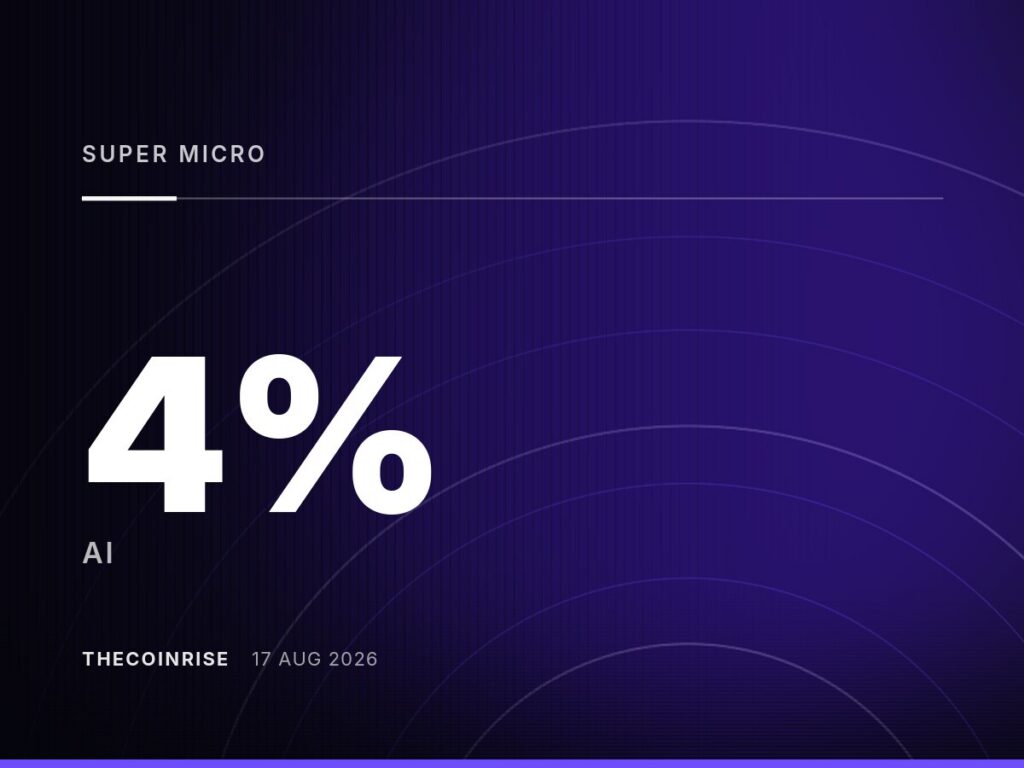
Shares of Super Micro Computer and Dell Technologies dropped sharply on August 17. The decline followed news of a patent dispute involving DDR5 memory technology, a component central to modern AI servers. Super Micro fell 4% during the session. Dell shares dropped 3% over the same period.
Both companies are major suppliers of servers used to power artificial intelligence workloads. DDR5 memory chips are a critical input for these systems. Any legal uncertainty around the technology can ripple through hardware supply chains quickly.
Patent disputes in the semiconductor and memory space are not new. They can affect production timelines, licensing costs, and component availability. When a dispute touches a widely used standard like DDR5, the impact can extend beyond the companies directly named in litigation.
Investors in AI infrastructure stocks have grown sensitive to any disruption in the hardware supply chain. Demand for AI servers has surged over the past two years. That demand has made memory supply, pricing, and intellectual property rights more consequential for manufacturers like Super Micro and Dell.
The specific details of the underlying patent claim were not fully outlined in initial reporting. Reports from Yahoo Finance and CryptoBriefing both confirmed the stock declines and linked them to the DDR5 dispute. Neither outlet detailed the parties involved in the underlying legal action or the scope of the claims.
Market reaction to patent disputes often reflects uncertainty rather than confirmed financial damage. Traders may sell first and assess the actual business impact later. This pattern is common when litigation involves a component embedded across an entire industry's product line, rather than a single company's proprietary technology.
Super Micro and Dell have both expanded their AI server offerings substantially in recent quarters. Both companies compete for contracts tied to data center buildouts supporting AI training and inference. Any cost pressure from memory supply disruptions could affect margins for both firms going forward.
Market Impact
The stock declines suggest investors are pricing in potential supply chain disruption risk for AI server hardware. If the DDR5 patent dispute leads to production delays or higher licensing costs, memory-dependent manufacturers could face margin pressure. This would extend beyond Super Micro and Dell to other companies reliant on the same DDR5 supply chain.
The broader AI infrastructure sector has traded with heightened sensitivity to hardware supply news throughout 2025 and into 2026. A confirmed disruption to memory chip availability could weigh on sentiment across server, chip, and data center stocks more broadly, given how tightly interconnected these supply chains have become.
The DDR5 patent dispute remains an unfolding situation, with the full scope of legal claims and potential business impact still unclear. Investors will likely watch for further disclosures from Super Micro, Dell, and other affected hardware makers in the coming days.
Frequently Asked Questions
Why did Super Micro Computer and Dell shares fall?
Both stocks declined after a patent dispute tied to DDR5 memory technology raised concerns among investors about AI server supply chains, according to reports from Yahoo Finance and CryptoBriefing.
What is DDR5 memory and why does it matter for AI servers?
DDR5 is a memory chip standard used widely in modern servers, including those built for AI training and inference workloads. Disruptions affecting DDR5 supply or licensing can impact server manufacturers broadly.
How large were the stock declines?
Super Micro Computer fell 4% and Dell Technologies dropped 3% during the trading session on August 17, based on the reported figures.
Are the details of the patent dispute fully known?
Initial reporting confirmed the stock moves and linked them to a DDR5 patent dispute, but did not detail the specific parties or legal claims involved.