

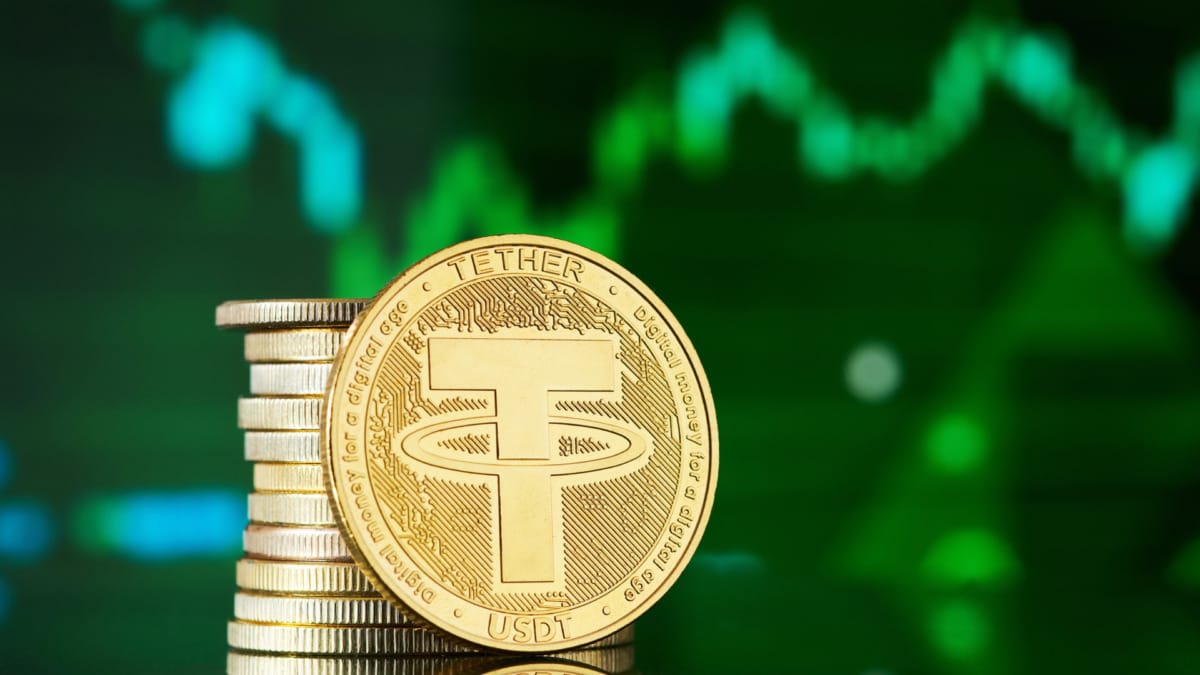


Three major automakers, Toyota, BYD, and Yamaha, now accept Tether’s USDT as a payment option for customers in Bolivia. Tether CEO Paolo Ardoino celebrated this news in a recent X post. He pointed out that stablecoins are now gaining traction in growing economies.
Bolivia’s Rapid Rise in Crypto Transactions
This milestone comes as Tether strengthens its grip on the stablecoin market with rapid growth in Latin America. Bolivia’s financial system is changing quickly after the government ended its ban on cryptocurrencies.
The Central Bank of Bolivia (BCB) said crypto payments reached $294 million in the first half of 2025, a huge jump of 630% from just $46.5 million in 2024.
This growth started after the government’s June 25 decision to officially recognize virtual assets. Since then, Bolivia has been adding crypto to both private businesses and public services. In March 2024, President Luis Arce’s cabinet gave state-owned YPFB the green light to use either crypto or U.S. dollars to pay for crude oil imports.
By October the same year, Banco Bisa launched custodial services for USDT. This gave Bolivians a safer and more reliable way to trade stablecoins. The momentum carried into 2025, when the Central Bank signed a memorandum of understanding with El Salvador through the National Commission of Digital Assets.
The goal is to collaborate on improving rules for digital assets and developing blockchain technology. These reforms have paved the way for broader adoption across industries, with the automotive sector now joining the trend.
Latin America’s Wider Stablecoin Momentum
Bolivia’s changes reflect a bigger trend in Latin America, where stablecoins like USDT and USDC are becoming tools for financial stability. Economic struggles and new rules are driving this growth.
In Argentina, where inflation has passed 100%, people use stablecoins to protect their money. In Brazil, clear rules and strong tech have led to 1.9 million users, with stablecoins making up over a quarter of all transactions.
In Colombia, limited access to U.S. dollars has pushed investors to digital options. In Mexico, a 23% drop in the peso’s value has made Bitcoin (BTC) and USDT popular for international transfers.
Chainalysis reports that crypto use in Latin America rose from 53% in 2024 to 63% in 2025, with nearly $415 billion in digital assets processed in just one year. Brazil, Venezuela, and Argentina are now among the world’s top 20 adopters.
Toyota’s Blockchain Legacy
For Toyota, Bolivia’s USDT acceptance is not an isolated move. In July 2024, the company’s Blockchain Lab introduced a Mobility-Oriented Account (MOA) system built on Ethereum’s ERC-4337 standard. This innovation allows vehicles to have blockchain-based identities.
Later, Toyota Finance announced plans for security token bonds (ST bonds) through its Toyota Wallet. This is to offer exclusive benefits to members who hold both the tokens and digital wallets.
This history shows Toyota’s deeper commitment to blockchain innovation, extending beyond payments into mobility and finance ecosystems.
Read More
All News




BlockchainFX is the world’s first crypto exchange connecting traditional finance with blockchain. Join the $BFX presale today and secure your chance for 100x gains!
Join Now