

Payments giant finds consumer willingness to use stablecoins nearly doubles when fraud protection and deposit insurance are added.
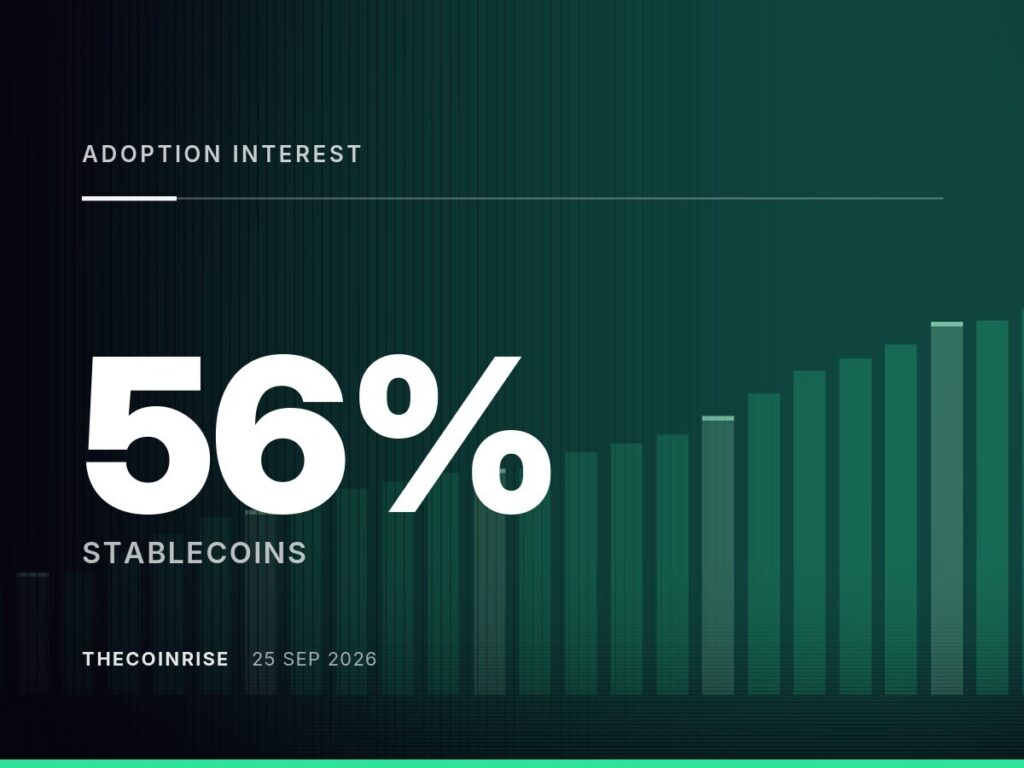
Visa has released study findings indicating that consumer appetite for stablecoins rises sharply when familiar banking safeguards are attached to the product. According to the payments company, stated adoption intent climbed from 36% to 56% once respondents were told fraud protection and deposit insurance would apply.
The gap between those two figures is significant. It suggests that roughly half of the reluctance around stablecoins today stems not from the underlying technology, but from a lack of consumer protections that people already expect from traditional bank accounts and cards.
Stablecoins are digital tokens pegged to a reserve asset, typically the US dollar, and are designed to hold a stable value unlike more volatile cryptocurrencies. They have become a core building block of crypto markets, used for trading, payments, and increasingly for cross-border settlement. Visa's interest in the space reflects its broader push to integrate stablecoin rails alongside its existing card network.
Deposit insurance and fraud protection are cornerstones of consumer trust in conventional banking. In the US, deposit insurance is typically provided through the Federal Deposit Insurance Corporation, which protects bank customers if an institution fails. Stablecoins, by contrast, are generally not covered by such government-backed insurance schemes, leaving holders exposed if an issuer faces solvency or operational problems.
Fraud protection is another area where traditional finance has set consumer expectations. Bank customers can often dispute unauthorized transactions and receive reimbursement. Crypto transactions, including those involving stablecoins, have historically lacked equivalent safety nets, and losses from hacks or scams are frequently unrecoverable.
The study arrives as US regulators and lawmakers continue to shape rules for stablecoin issuers, reserve requirements, and consumer protections. How these frameworks evolve will likely influence whether issuers can offer the kind of guarantees that Visa's findings suggest consumers want.
Visa's own position as both a card network and an increasingly active stablecoin infrastructure partner gives the company a direct stake in how adoption unfolds. The findings could inform how Visa and its banking partners design future stablecoin-linked products aimed at mainstream users rather than crypto-native audiences.
Market Impact
The findings point to a potential opening for banks, card networks, and stablecoin issuers that can bundle deposit insurance or fraud guarantees into their offerings. If confirmed by broader consumer behavior, demand could shift toward stablecoins issued or backed by regulated institutions over purely crypto-native alternatives.
For the wider stablecoin market, the study underscores that regulatory clarity and consumer safeguards may be as important to growth as transaction speed or blockchain infrastructure. Issuers positioning themselves around compliance and insurance-like protections could gain an edge as US rules take clearer shape.
Visa's findings suggest that trust, not just technology, remains the key barrier to wider stablecoin use among everyday consumers. As regulatory frameworks develop, the addition of bank-style protections could become a decisive factor in whether stablecoins move from crypto markets into mainstream payments.
Frequently Asked Questions
What did Visa's study find about stablecoin adoption?
Visa reported that consumer interest in using stablecoins rose from 36% to 56% when bank-style protections, including fraud coverage and deposit insurance, were included.
Why does deposit insurance matter for stablecoins?
Deposit insurance protects bank customers if an institution fails, but most stablecoins currently lack equivalent government-backed coverage, leaving holders more exposed to issuer risk.
Why is Visa studying stablecoin adoption?
Visa has been expanding its role in stablecoin infrastructure alongside its traditional card network, giving it a direct interest in what drives consumer trust and usage.
Could this study influence stablecoin regulation?
The findings may inform ongoing US regulatory discussions about stablecoin reserves and consumer protections, though Visa's study reflects consumer sentiment rather than policy itself.