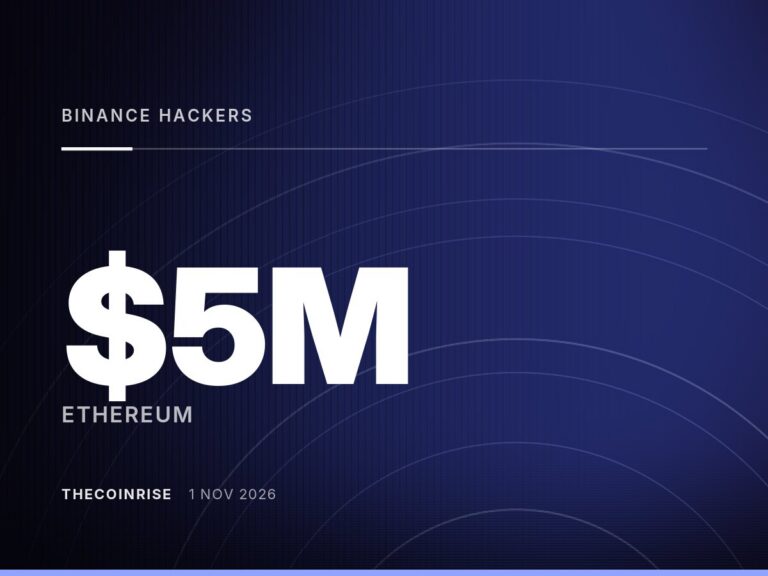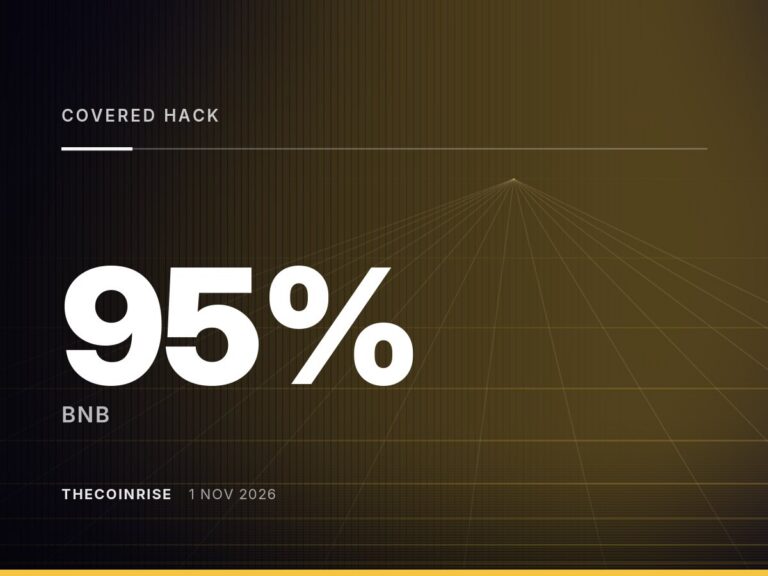


The exchange reopened withdrawals after partners reportedly froze roughly $3 billion, with $2 billion moving out within the first three hours.
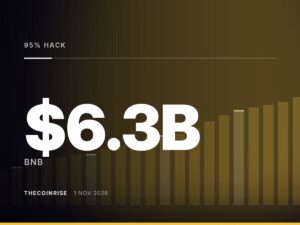
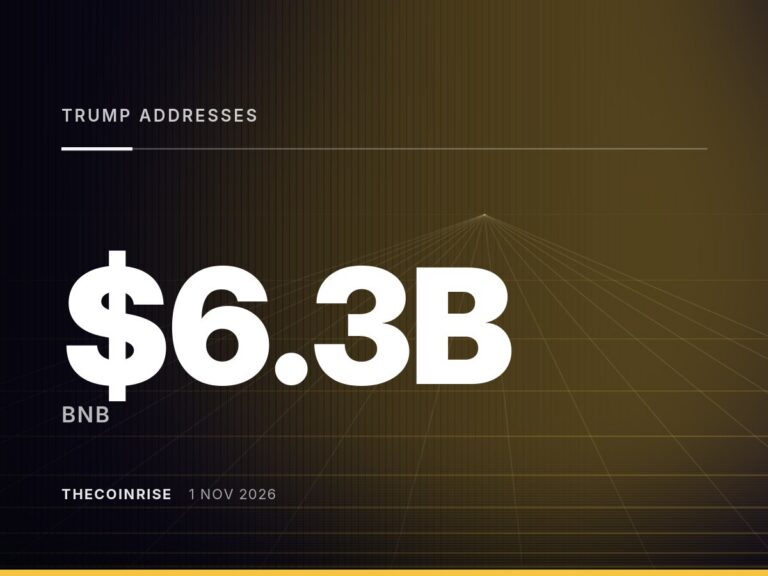
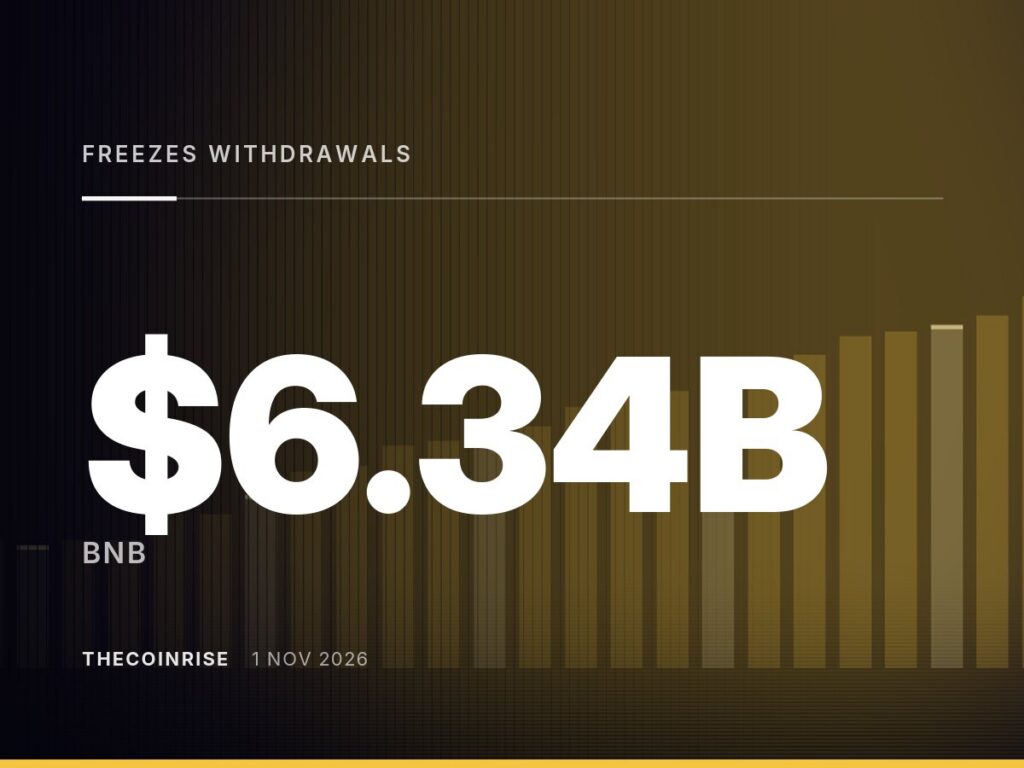
Binance, the world's largest cryptocurrency exchange by trading volume, halted customer withdrawals for 45 hours after detecting a security breach, according to CoinTurk News. The exchange has since set aside a reserve of $6.34 billion, a figure reported as tied directly to the incident.
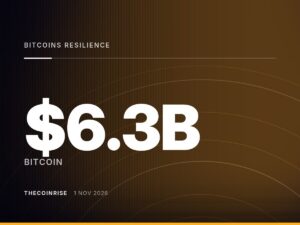
Separately, NFTevening described the episode as a record $6.3 billion crypto hack, reporting that partner platforms froze roughly $3 billion in connected funds as part of the response. The near-matching dollar figures across reports, $6.34 billion and $6.3 billion, may reference the same underlying number described from different angles, though the exact relationship between the reserve and the alleged hack size has not been clarified.
Withdrawal freezes of this scale are unusual for an exchange the size of Binance, which processes billions of dollars in daily volume. A 45-hour suspension would have prevented users from moving funds off the platform for nearly two full days, a period long enough to raise concerns among traders and institutional partners alike.
Once withdrawals resumed, activity was immediate and heavy. BeInCrypto reported that $2 billion moved off the exchange within the first three hours of reopening. That pace suggests significant pent-up demand from users eager to access funds that had been locked during the freeze.
The involvement of partner platforms in freezing roughly $3 billion points to coordination across the broader crypto industry in response to the breach. Exchanges, custodians, and other infrastructure providers frequently work together to trace and halt the movement of compromised funds, particularly when a breach of this scale is suspected.
Binance has not yet detailed the precise nature of the breach, how it was detected, or which systems were affected, based on the available reporting. The exchange's decision to publicize a $6.34 billion reserve figure appears intended to reassure users and the market that funds remain backed, even as the underlying incident is still being addressed.
Market Impact
A breach of this reported magnitude at the industry's largest exchange carries implications well beyond Binance's own user base. Large freezes and sudden outflows can unsettle confidence in centralized exchange custody more broadly, particularly for traders who rely on quick access to funds. The $2 billion that reportedly moved within three hours of withdrawals reopening illustrates how quickly capital can shift once restrictions lift.
The involvement of partner platforms in freezing an estimated $3 billion also underscores how interconnected exchange security has become. Coordinated responses across multiple platforms can limit the damage from a single breach, but they also highlight how a security failure at one major player can ripple across the sector. Market participants will likely watch for further disclosure from Binance on the breach's cause and scope in the days ahead.
Binance's reserve disclosure and the rapid post-freeze outflows highlight both the scale of the reported breach and the exchange's effort to project financial stability. Further details on the incident's origin and full impact are expected as the situation develops.
Frequently Asked Questions
How long were Binance withdrawals frozen?
Withdrawals were reportedly suspended for 45 hours following the detection of a security breach, according to CoinTurk News.
How much is Binance's new reserve, and how does it relate to the hack size?
Binance reportedly set a $6.34 billion reserve, a figure close to the $6.3 billion hack size cited by NFTevening, though the exact relationship between the two numbers has not been clarified in available reporting.
How much money left Binance after withdrawals reopened?
BeInCrypto reported that $2 billion moved off the exchange within the first three hours after withdrawals resumed.
Did other platforms respond to the breach?
NFTevening reported that partner platforms froze approximately $3 billion in funds connected to the incident as part of a coordinated response.