

A brief bounce tied to softer inflation data lost steam when bond yields failed to retreat.
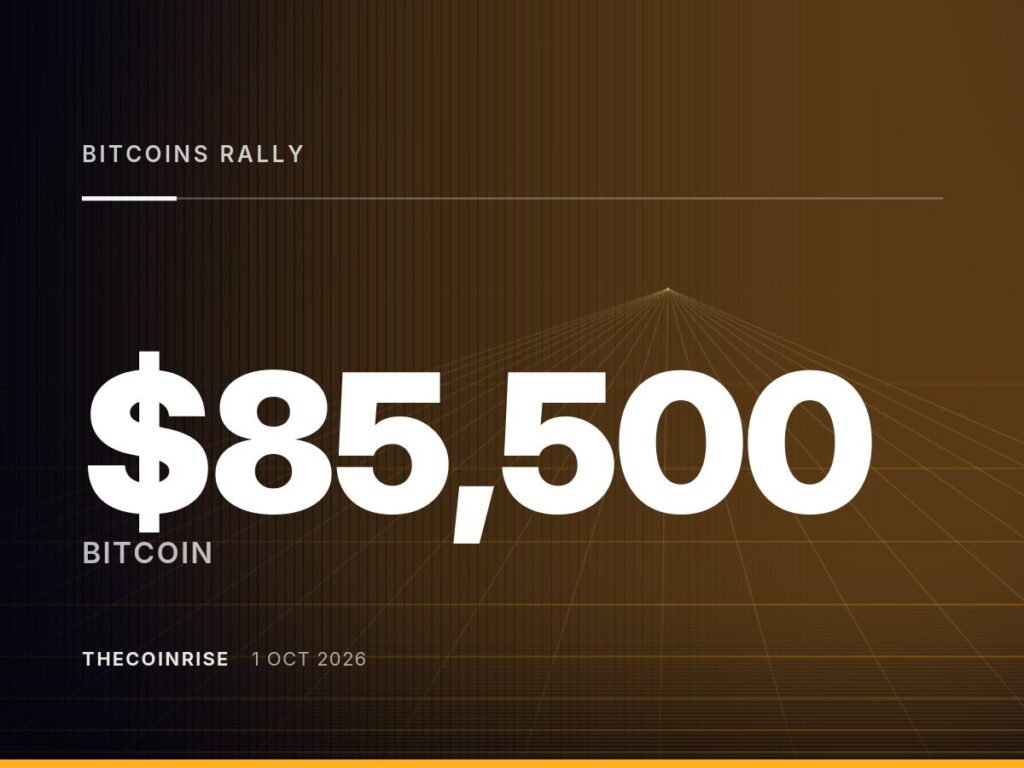
Bitcoin touched $85,500 in the wake of a softer inflation print, according to CoinDesk, before the move reversed. The initial pop came after data pointed to easing price pressures, a reading traders typically interpret as supportive for riskier assets like bitcoin.
The rally did not hold. Bond yields, which many investors watch as a signal for future Federal Reserve policy, refused to decline alongside the inflation data. The Tokenist described the resulting pressure as a test for the broader bitcoin rally tied to the softer Personal Consumption Expenditures figures.
The disconnect between cooling inflation and stubborn yields matters because bitcoin's recent price behavior has leaned heavily on expectations for interest rate cuts. Lower rates generally reduce the appeal of holding cash and short-term bonds, pushing some capital toward assets like bitcoin and equities. When yields stay elevated despite softer inflation, that calculus weakens.
Treasury yields reflect a mix of factors beyond a single inflation reading, including government borrowing needs, investor demand at bond auctions, and broader expectations for economic growth. When yields hold steady or rise even as inflation data cools, it can signal that markets see limits to how quickly the Fed will ease policy. That outcome tends to pressure assets priced on the assumption of cheaper future money.
Bitcoin has increasingly traded in step with macro signals once reserved for traditional markets. Its price swings now often mirror shifts in bond yields, equity indices, and dollar strength. That shift reflects bitcoin's growing integration into institutional portfolios, where allocation decisions are frequently guided by rate expectations and risk-adjusted return models rather than crypto-specific catalysts alone.
The fading of this particular rally illustrates how a single data point, even a favorable one, may not be enough to sustain upward momentum if other parts of the macro picture do not align. Inflation cooling without a corresponding drop in yields leaves the rate-cut narrative incomplete, and bitcoin's price action appears to be reflecting that incompleteness directly.
Market Impact
The failure of bitcoin's inflation-driven bounce to hold suggests traders remain cautious until bond markets show clearer signs of easing. If Treasury yields stay elevated, pressure could persist on bitcoin and other risk assets that have rallied on rate-cut hopes this year. Market participants will likely watch upcoming Treasury auctions and Fed commentary for clues on whether yields can retreat.
For now, the episode reinforces that crypto price moves are being shaped as much by bond market dynamics as by sector-specific news. Continued correlation with traditional fixed-income signals could keep bitcoin's short-term trajectory tied to macro data releases rather than crypto-native developments.
Bitcoin's brief run to $85,500 shows how quickly favorable inflation data can lose its effect when bond yields stay put. Until Treasury yields show a clearer downward path, rallies built on rate-cut expectations may remain fragile.
Frequently Asked Questions
Why did bitcoin rise to $85,500 in the first place?
Bitcoin climbed after a softer-than-expected inflation reading, which traders read as supportive of potential future interest rate cuts.
Why did the rally fade so quickly?
Treasury bond yields remained elevated despite the cooler inflation data, which weakened the case for imminent rate cuts and reduced support for the rally.
Why do bond yields matter for bitcoin's price?
Lower yields can make non-yielding assets like bitcoin more attractive relative to bonds, so when yields stay high, that incentive weakens.
Does this mean bitcoin's rally is over?
The reports only describe a fading of this specific bounce tied to bond yields, not a broader directional call on bitcoin's price.




Read More
All News

October 22, 2026
OCC Stablecoin Rule: Outlets Disagree on NPRM Date

October 22, 2026