

The derivatives regulator opens a public comment period on a rule change affecting how certain swaps are executed on registered platforms.
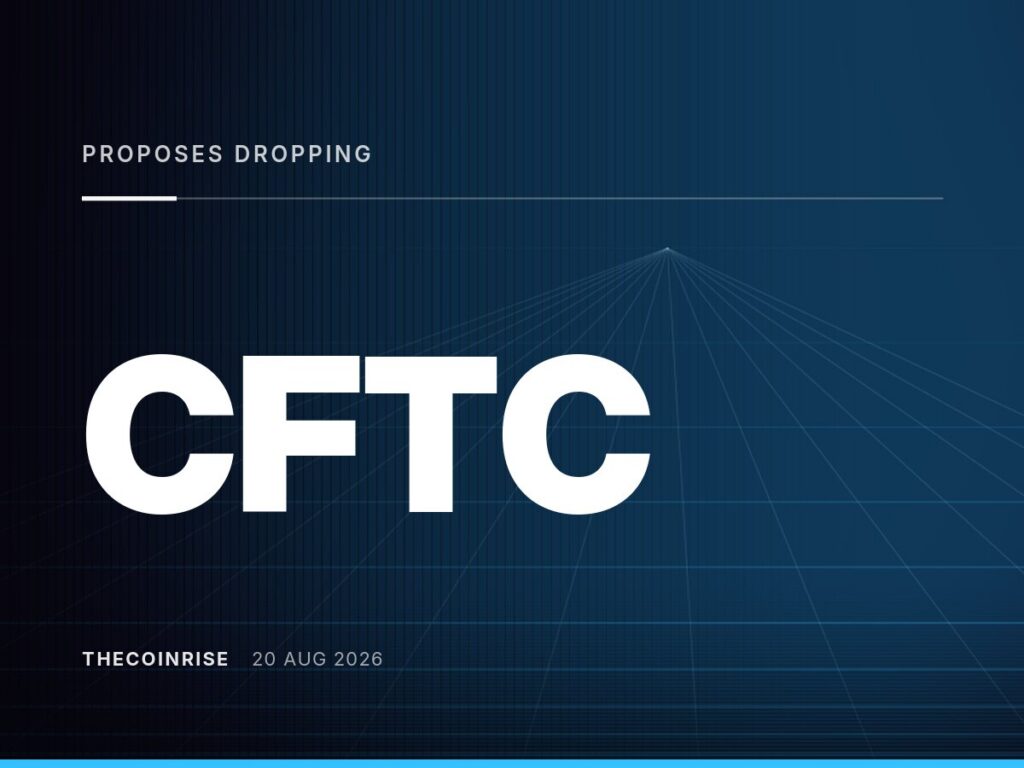
The Commodity Futures Trading Commission has opened a public comment period on a proposal to remove the order book requirement for certain swap transactions. The rule applies to swap execution facilities, known as SEFs, which are regulated venues for trading swaps. The change specifically targets what the agency calls permitted transactions, a category of trades subject to more flexible execution rules than standard swaps.
Swap execution facilities were established after the 2008 financial crisis to bring more transparency to derivatives markets. Regulators required many swaps to trade on an order book or through a request-for-quote system. The order book model mirrors traditional exchange trading, matching buy and sell orders in a visible, centralized manner.
Permitted transactions occupy a different regulatory tier. These trades already carry fewer execution constraints than fully mandated swaps. The CFTC's proposal would remove the order book requirement specifically for this category, potentially giving market participants more flexibility in how these trades are arranged and executed.
The CFTC's own press release framed the move as a proposed elimination of a specific execution requirement. Coinfomania described the same development as an invitation for public feedback on broader changes to SEF regulations. CoinGape characterized it as the agency proposing to end the order book mandate for permitted transactions. All three characterizations point to the same underlying regulatory action, differing mainly in emphasis.
Public comment periods are a standard part of the CFTC's rulemaking process. The agency typically reviews submissions from market participants, trading platforms, and industry groups before finalizing any rule. The length of this comment period, along with the exact regulatory text under consideration, was not detailed in the available reporting.
This proposal sits within the CFTC's ongoing effort to refine derivatives market structure rules first put in place more than a decade ago. Market participants have periodically pushed for adjustments to execution requirements they argue add operational complexity without proportional transparency benefits. Regulators, in turn, must weigh those efficiency arguments against their mandate to maintain fair and orderly markets.
The proposal does not eliminate SEF registration or oversight requirements generally. It targets one specific execution mechanic tied to a defined subset of transactions. Traders and platforms operating in the permitted transaction category would be the most directly affected if the rule is finalized as described.
Market Impact
Any change to SEF execution requirements can influence how swap trading desks and platforms structure their workflows. Removing the order book requirement for permitted transactions could reduce operational burdens for firms handling this transaction category, potentially encouraging more activity to route through SEFs rather than off-venue alternatives.
The practical market impact will depend on the final rule's scope and the feedback the CFTC receives during the comment period. Firms active in swap markets, including those with crypto-adjacent derivatives exposure through registered platforms, will likely monitor the proposal closely as it moves through the rulemaking process.
The CFTC's proposal remains at the public comment stage, with no finalized rule yet in place. Market participants and industry observers now await further details on the rule's scope and the length of the review period.
Frequently Asked Questions
What is a swap execution facility (SEF)?
A SEF is a CFTC-regulated trading platform where market participants execute swap transactions, created to add transparency to derivatives markets after 2008.
What are 'permitted transactions' in this context?
Permitted transactions are a category of swaps subject to more flexible execution rules than standard mandated swaps traded on SEFs.
What change is the CFTC proposing?
The CFTC is proposing to remove the requirement that permitted transactions be executed through an order book on SEFs.
Is this rule change final?
No, the CFTC has opened a public comment period and has not finalized the proposal.
Who is affected by this proposal?
Swap execution facilities and market participants trading permitted transactions would be directly affected if the rule is adopted.