

Creditors of the collapsed exchange may recover only a fraction of their original claims after the court-ordered sale
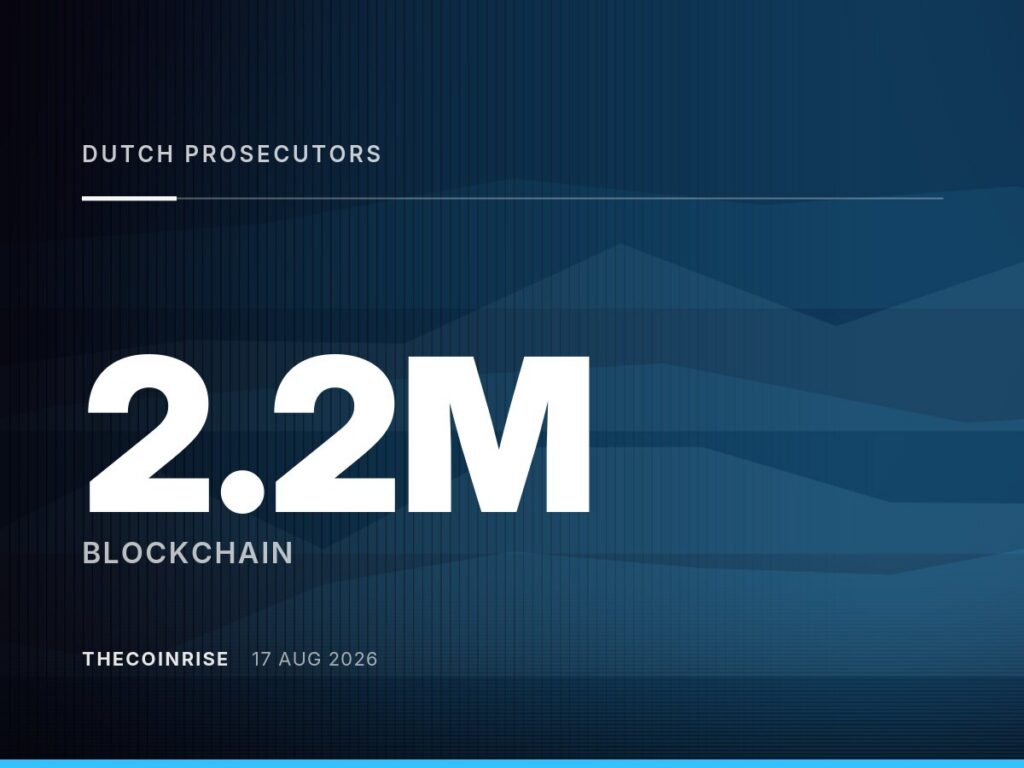
Dutch prosecutors have completed the sale of cryptocurrency assets seized from Knaken, a crypto exchange that collapsed, generating roughly €2.2 million. The sale marks a key step in the ongoing legal process to resolve claims from affected users and creditors.
Knaken's troubles drew scrutiny from Dutch authorities after the exchange ran into financial difficulty. Prosecutors moved to seize crypto holdings linked to the platform as part of an investigation into its operations. The recent sale converts those digital assets into euros, a step often required before funds can be distributed through legal or insolvency channels.
Reports indicate that creditors now face the prospect of recovering only a portion of what they are owed. The €2.2 million raised from the sale appears insufficient to cover the full scope of outstanding claims against the exchange. Exact details on how the proceeds will be divided among affected parties have not been specified.
Cases involving seized crypto assets often present unique challenges for courts and prosecutors. Digital assets can be volatile, complicating decisions about when and how to liquidate holdings. Selling too early or too late can materially affect the amount ultimately available to creditors. In Knaken's case, the timing and method of the sale will likely draw scrutiny from those awaiting compensation.
The episode adds to a growing list of crypto exchange failures that have left users facing prolonged recovery processes. Bankruptcy and criminal proceedings involving digital asset platforms frequently take years to resolve. Creditors often navigate unfamiliar legal terrain, as courts work to establish clear procedures for handling seized digital assets.
The Knaken case also underscores broader questions about custody practices at crypto exchanges. When platforms mishandle client funds or face insolvency, the resulting shortfall can leave depositors with limited recourse. Regulatory frameworks in many jurisdictions, including the Netherlands, continue to evolve as authorities try to address gaps exposed by such failures.
For now, the €2.2 million recovered through the prosecutors' sale represents a partial resolution rather than a full accounting of Knaken's obligations to its users. Further legal proceedings may determine how the funds are allocated, and whether additional assets tied to the exchange could still be identified or recovered.
The case is likely to be watched closely by other creditors and legal observers following crypto-related insolvencies. Outcomes in similar cases across Europe have varied widely, depending on jurisdiction, asset type and the pace of judicial proceedings.
Market Impact
The direct market impact of the Knaken sale is likely limited, given the relatively small size of the recovered sum compared to broader crypto trading volumes. However, the case adds to a pattern of exchange failures that continue to shape public and regulatory perception of custodial risk in digital asset markets.
For creditors and users of other struggling platforms, the Knaken outcome may serve as a reference point for expectations around recovery timelines and amounts. It also reinforces ongoing regulatory efforts in Europe to strengthen oversight of crypto custody and insolvency procedures, particularly as authorities seek to prevent similar shortfalls in future cases.
The Knaken case highlights the financial and legal complexities that follow a crypto exchange's collapse, with creditors left to navigate an uncertain path toward partial recovery.
Frequently Asked Questions
What happened with Knaken's seized cryptocurrency?
Dutch prosecutors sold cryptocurrency assets seized from the collapsed exchange Knaken, raising approximately €2.2 million.
Will Knaken's creditors be fully repaid?
Reports indicate the €2.2 million raised from the sale may not cover all outstanding claims, meaning creditors could face partial losses.
Why did prosecutors sell the crypto instead of holding it?
Seized digital assets are often liquidated to convert them into stable currency for distribution through legal or insolvency proceedings, though exact reasoning for the timing has not been detailed in available reports.
What does the Knaken case mean for crypto exchange regulation?
It adds to broader discussions about custody practices and regulatory oversight of crypto exchanges, particularly in how authorities handle insolvency and asset recovery for affected users.