

CryptoBriefing reports the South Korean chipmaker is lifting prices as global demand for advanced semiconductors climbs.
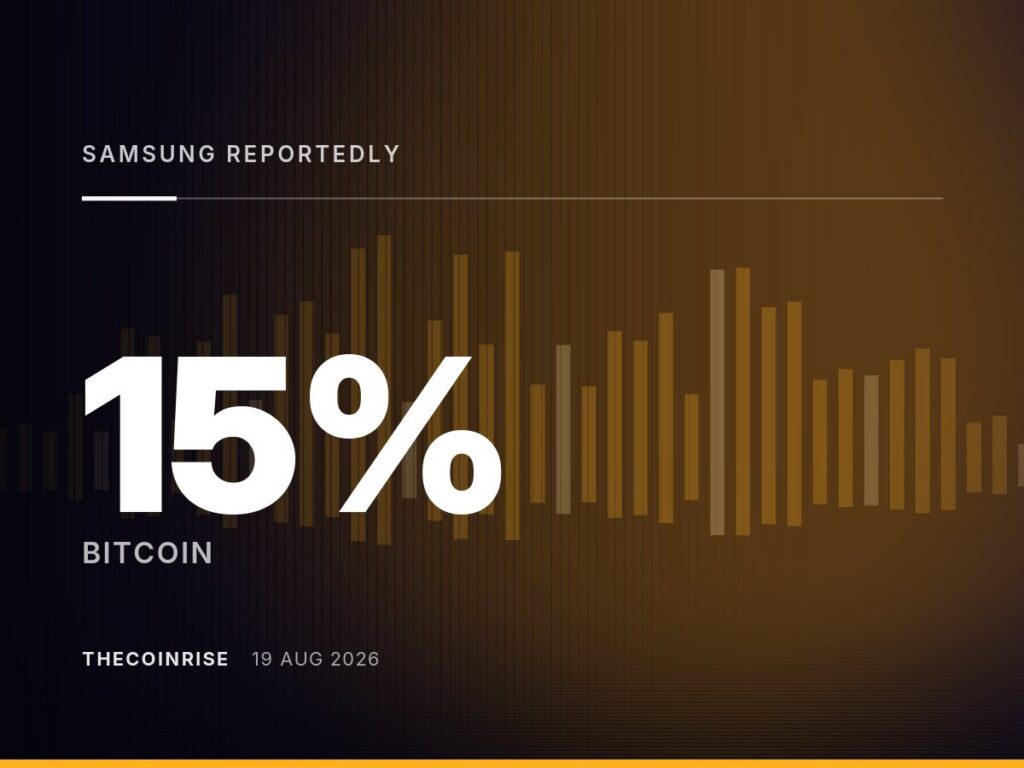
Samsung has increased prices for chip manufacturing contracts by up to 15%, CryptoBriefing reported. The move reflects growing demand across the global semiconductor supply chain.
Samsung is one of the world's largest chip foundries and memory producers. Its pricing decisions ripple through electronics, computing, and hardware markets worldwide. A price increase of this size signals tightening capacity at a time when many manufacturers are competing for limited production slots.
Demand for advanced chips has climbed sharply in recent years. Artificial intelligence workloads require specialized processors and high-bandwidth memory. Data centers have expanded their build-outs to support these workloads, adding further pressure on supply. Cloud providers, device makers, and hardware companies have all sought greater allocation from major foundries.
Semiconductor pricing also matters to the cryptocurrency industry. Mining hardware, including specialized chips used for proof-of-work networks, depends on the same foundries and fabrication processes. Graphics processing units used for both gaming and blockchain-adjacent computing tasks are manufactured using comparable semiconductor technology. Higher input costs at major foundries can eventually filter through to the prices paid by miners and data centers that support blockchain infrastructure.
The broader chip industry has experienced volatile pricing cycles over the past several years. Shortages during the pandemic period pushed prices higher across many product categories. Supply later normalized in some segments, easing costs for buyers. The current increase, as described by CryptoBriefing, suggests a renewed tightening in specific segments of chip production, potentially tied to AI-related demand rather than a broad market-wide shortage.
Price increases from a manufacturer as large as Samsung can influence competitors' pricing strategies as well. Other foundries may face pressure to raise their own prices if capacity constraints are shared across the industry. Buyers who rely on multiple suppliers for chip production could see costs rise across the board rather than at a single vendor.
It remains unclear from the available reporting which specific product lines or customer segments are affected by the reported increase. Contract terms between foundries and their clients are often confidential, and public reporting on exact pricing structures is limited. The scale of the increase, up to 15%, indicates a meaningful shift rather than a minor adjustment.
Companies that depend on Samsung's foundry services, including those producing hardware for computing and blockchain applications, will likely need to reassess their cost structures. Downstream effects on consumer electronics prices, cloud computing costs, and specialized hardware for digital asset infrastructure could follow, depending on how the increase is passed through supply chains.
Market Impact
A chip price increase of this magnitude could raise production costs for hardware makers that rely on Samsung's foundry and memory output. Companies producing mining equipment, servers, and GPUs may face higher input costs, which could eventually affect equipment pricing for cryptocurrency mining operations and data centers supporting blockchain networks.
Investors in semiconductor-adjacent crypto infrastructure, including mining companies and hardware suppliers, may watch for further pricing signals from other major foundries. If competitors follow with similar increases, the cost of scaling computing infrastructure for both AI and blockchain applications could rise industry-wide.
The reported price increase highlights how tightly semiconductor supply and pricing are linked to demand from AI, computing, and digital asset infrastructure sectors alike.
Frequently Asked Questions
Why did Samsung reportedly raise chip prices?
CryptoBriefing reported the increase is tied to a surge in demand for semiconductors, driven in part by AI and data center growth.
How much did prices reportedly increase?
The report indicates prices rose by up to 15%, though specific product lines affected were not detailed.
Could this affect cryptocurrency mining hardware costs?
Mining equipment and GPUs rely on similar semiconductor manufacturing processes, so higher foundry costs could eventually influence hardware pricing, though the exact impact is not yet clear.
Are other chipmakers expected to raise prices too?
It is possible competitors could face similar capacity pressures, but no other manufacturer price changes were confirmed in the available reporting.