

A weekly market roundup credits growing worry over US government debt for pushing bitcoin sharply higher.
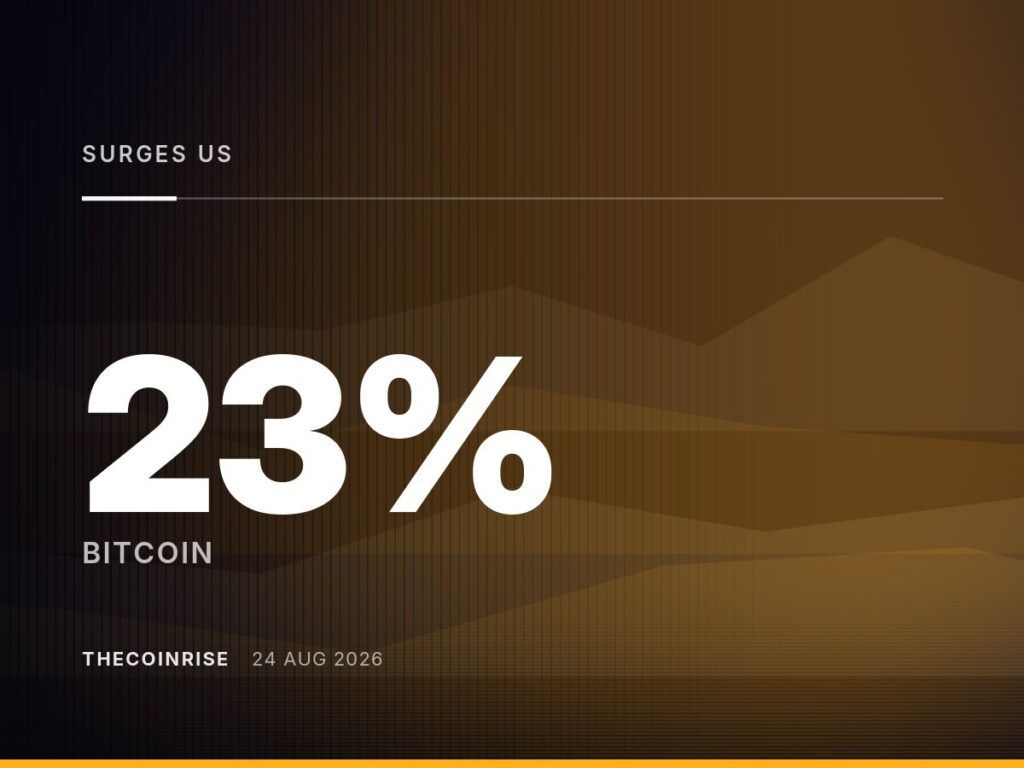
Bitcoin climbed 23% in a rally that outlets tracking weekly crypto news attributed to mounting anxiety over US government debt policy. The gain was highlighted in a regular market roundup format known for summarizing the week's biggest developments for holders of digital assets.
The reports did not specify an exact starting price, ending price, or precise date range for the move. They also did not detail which specific debt policy development triggered the rally. Coverage instead framed the surge as connected to a broader narrative around US fiscal concerns influencing investor behavior.
Concerns over government debt levels have periodically pushed investors toward assets seen as alternatives to traditional currency and bond markets. Bitcoin has been positioned by some market participants as a hedge against fiscal instability or currency debasement. When debt-related headlines intensify, that narrative can draw fresh attention to bitcoin and other cryptocurrencies.
The scale of the reported move, a 23% gain, would represent a significant short-term rally by historical standards for bitcoin. Such rallies often coincide with shifts in macroeconomic sentiment rather than developments specific to blockchain technology or crypto regulation. This distinguishes the reported rally from moves driven by exchange news, protocol upgrades, or crypto-specific regulatory actions.
The weekly digest format used by both outlets typically aggregates multiple stories rather than focusing on a single event. That structure means the debt policy narrative sits alongside other market and industry news from the same period. Readers should treat the 23% figure as part of a broader summary rather than an isolated, fully contextualized data point.
Market watchers often look to bitcoin's performance during periods of fiscal or monetary uncertainty as a signal of how investors are positioning across asset classes. A rally tied to debt policy concerns suggests some investors may be treating bitcoin as a portfolio hedge during that window. Whether that behavior persists depends on how US fiscal debates evolve and how other markets, including equities and bonds, respond in parallel.
Market Impact
A rally of this magnitude, if sustained, could reinforce arguments that bitcoin serves as a hedge during periods of fiscal stress in the United States. Traders and analysts often watch such moves closely for signs of shifting correlation between crypto and traditional safe-haven assets like gold or Treasury securities.
Because the rally is linked to macroeconomic sentiment rather than crypto-specific catalysts, its durability may hinge on how US debt policy discussions unfold in coming weeks. Continued fiscal uncertainty could sustain interest in bitcoin as an alternative asset, while resolution or reassurance from policymakers could reduce that pressure.
The reported 23% rally underscores how closely bitcoin's price action can track broader concerns about US fiscal policy. Further clarity on the specific debt policy developments involved may emerge as more coverage of the period becomes available.
Frequently Asked Questions
What caused bitcoin's reported 23% rally?
Reports attribute the rally to growing concerns over US government debt policy rather than a crypto-specific event.
Over what time period did the 23% gain occur?
The exact date range and starting price were not specified in the available reporting.
Is bitcoin considered a hedge against government debt concerns?
Some investors treat bitcoin as an alternative asset during fiscal uncertainty, though this view is not universally accepted among market participants.
Does this rally reflect a change in crypto regulation or technology?
No. The reported move was linked to macroeconomic sentiment around US debt policy, not regulatory or technical developments in crypto markets.