

Bank Negara Malaysia and the Bank of Thailand add their weight to a Monetary Authority of Singapore-led effort on cross-border stablecoin infrastructure.
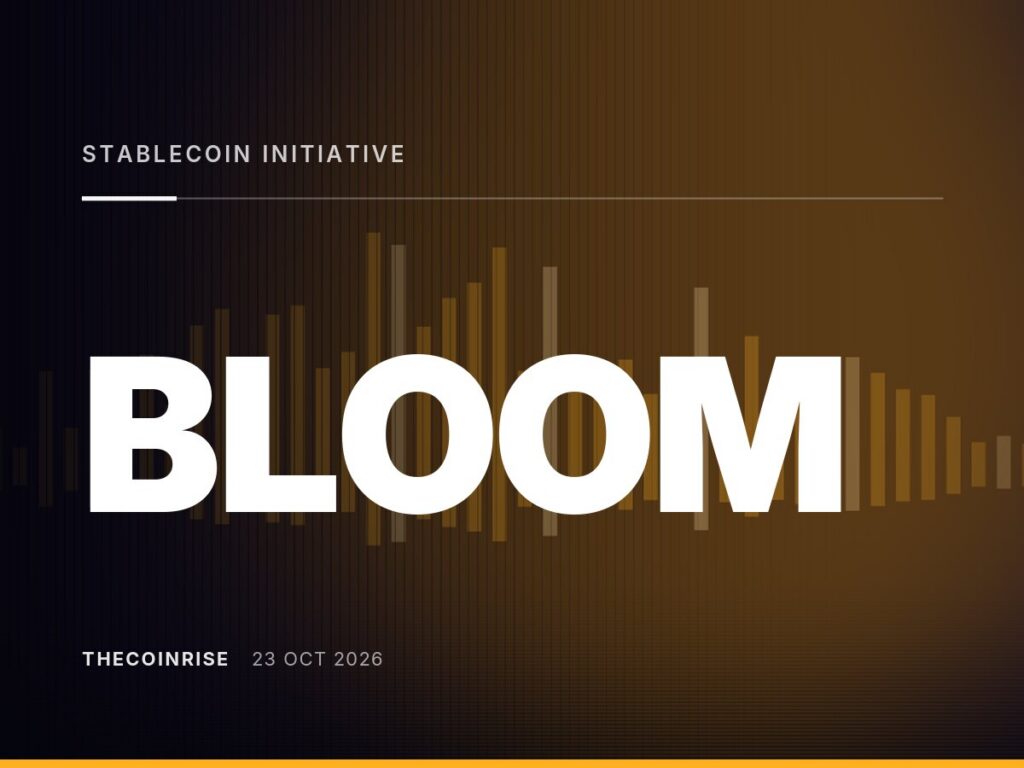
Bank Negara Malaysia and the Bank of Thailand have formally joined BLOOM, a cross-border initiative originated by the Monetary Authority of Singapore. The initiative centers on stablecoin and digital payment infrastructure designed to work across national borders. Their participation brings three of Southeast Asia's most significant financial regulators into a single coordinated framework.
MAS has positioned itself as a regional leader in digital asset policy over the past several years. Singapore's regulator has pursued a measured approach to stablecoins, tokenized deposits, and cross-border settlement. BLOOM extends that work beyond Singapore's borders, inviting neighboring central banks to shape shared standards rather than build separate systems in isolation.
The addition of Malaysia and Thailand matters because both countries carry substantial trade and remittance flows with Singapore and with each other. Cross-border payments in Southeast Asia have historically relied on correspondent banking networks that can be slow and costly. Stablecoin-based infrastructure is often cited by regulators as a way to settle transactions faster, with lower fees and greater transparency.
Bank Negara Malaysia and the Bank of Thailand have each pursued their own digital currency and payment modernization efforts in recent years. Joining a multilateral initiative like BLOOM allows them to align technical standards and regulatory expectations with partners rather than developing parallel frameworks. That kind of coordination can reduce friction for banks and payment firms operating across the three jurisdictions.
The announcement arrives as global regulators continue debating how to treat stablecoins within existing banking and payments law. Jurisdictions including the United States, the European Union, and Hong Kong have each advanced their own stablecoin regimes over the past two years. Southeast Asian regulators joining forces under a single banner suggests an attempt to avoid regulatory fragmentation within the region itself.
Details on BLOOM's technical architecture, governance structure, and timeline for implementation were not fully specified in the available reporting. What is clear is that the initiative now includes central bank participation from Singapore, Malaysia, and Thailand. Further details are expected to emerge as the project moves from coordination among regulators toward concrete pilot programs or operational guidelines.
Market Impact
For stablecoin issuers and payment firms operating in Southeast Asia, expanded central bank participation in BLOOM signals a clearer regulatory path for cross-border settlement products. Firms building remittance or trade-finance tools linked to stablecoins may find it easier to plan compliance strategies once Malaysia and Thailand align with Singapore's framework.
The move could also influence how banks and fintech companies in the region approach interoperability. A shared standard among three major economies lowers the risk of building infrastructure that only works within one jurisdiction. That said, the practical market effect will depend on implementation details that have not yet been disclosed.
Malaysia and Thailand's entry into BLOOM marks a step toward coordinated digital payment standards across Southeast Asia. Further specifics on the initiative's design and rollout are expected as regulators continue their work.
Frequently Asked Questions
What is BLOOM?
BLOOM is a cross-border initiative led by the Monetary Authority of Singapore focused on stablecoin and digital payment infrastructure, according to the reports.
Which central banks have joined BLOOM?
Bank Negara Malaysia and the Bank of Thailand have joined the initiative alongside the Monetary Authority of Singapore, which leads the project.
Why does this matter for cross-border payments?
Coordinated participation by multiple central banks can help align standards for stablecoin-based settlement, potentially reducing friction in cross-border trade and remittance flows across Southeast Asia.
Has BLOOM's technical structure been detailed yet?
The available reporting did not include full details on BLOOM's governance, technical architecture, or implementation timeline. More information is expected as the initiative progresses.