

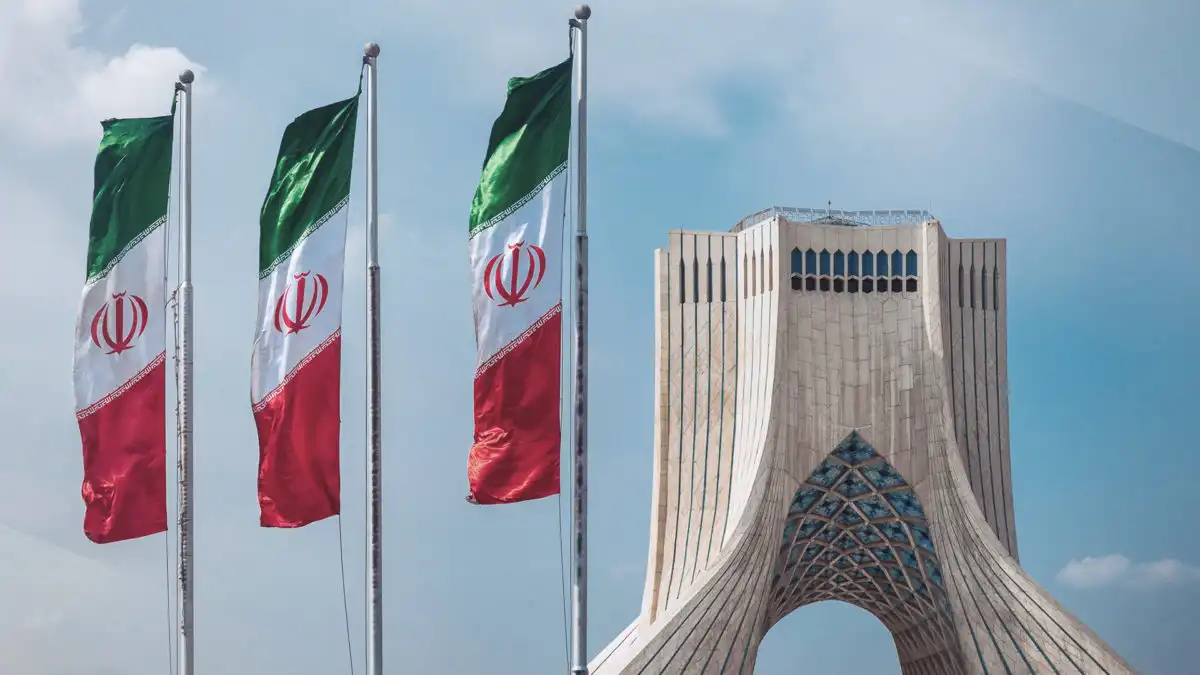


The Iranian government has announced strict new limits on stablecoin transactions as its national currency, the rial, continues to collapse. The directive imposes tighter rules amid renewed UN sanctions and mounting economic strain. Public distrust of government policies is also fueling the shift toward digital assets.
Iran Limits Stablecoin Holdings Amid Global Push for Tighter Controls
The Central Bank of Iran has directed that each individual may purchase no more than $5,000 worth of stablecoins per year, while total holdings may not exceed $10,000.
According to Asghar Abolhasani, secretary of the Central Bank’s High Council, the rule will apply to all traders and users operating through licensed digital platforms. Officials set a one-month transition period for people who already hold stablecoins. Within that time, users must adjust their balances to meet the new limits.
Other countries have also tried to cap or heavily restrict stablecoin transactions, though in different ways. For example, China banned stablecoins outright as part of its broader crypto ban. Officials argued that the digital coins threatened monetary control.
Nigeria at one point restricted access to USDT and USDC on local exchanges to limit dollarization of its economy, though it later softened the stance. While the European Union’s new MiCA framework does not ban stablecoins, however, it sets strict issuance caps in order to prevent them from becoming a parallel currency.
Iran’s Stablecoin Curbs Put Pressure on Small Traders
Stablecoins, with over $168 billion market cap, have grown in popularity in Iran. They are tied to the U.S. dollar, giving people a way to protect their savings from inflation. Many also use them to send money abroad without depending on the weak banking system.
For many households and traders, these digital assets have served as a lifeline in a volatile economy all over the world.
Iran’s restrictions will affect thousands of small traders who depend on stablecoin transactions for their income. Many are concerned about the penalties they may face if they cannot reduce their holdings quickly enough.
Rial’s Record Low Triggers Fresh Crackdowns on Stablecoins and Mining
Iran’s rial hit a record low of 1,136,500 against the U.S. dollar on September 27. Analysts expect the national currency to continue losing value.
This comes as sanctions return and confidence in government policy declines further. Over the past decade, the rial has weakened steadily due to sanctions, economic mismanagement, and runaway inflation. The new cap on stablecoins mirrors past measures, when authorities restricted access to dollars and gold in an effort to control the crisis.
Iran’s problems extend beyond its currency. In recent months, the country has also faced an energy crisis. Many residents blame crypto miners for consuming scarce electricity resources. In 2022, Iranian authorities moved to cut power access to license crypto miners operating in the country as pressure on the national grid grows.
Read More
All News




BlockchainFX is the world’s first crypto exchange connecting traditional finance with blockchain. Join the $BFX presale today and secure your chance for 100x gains!
Join Now